Blueprint Monday | Vol. 29
Before You Renovate, Will the Market Reward the Investment?
Last week, I wrote about why convenience has become a luxury and why today’s buyers will often pay more to avoid inheriting projects.
This week, I want to take that conversation one step further.
If buyers are evaluating the time, expense, uncertainty, and inconvenience of a project, then homeowners need to ask an equally important question before they renovate:
Will the market actually reward this investment?
That question should come before the contractor, before the materials, and certainly before the money is spent.
Because the goal is not simply to renovate.
The goal is to make the right improvement, at the right level, with future resale in mind.
Not Every Renovation Creates Value
One of the most common questions I hear from homeowners considering a future sale is:
“What should I update before putting my home on the market?”
There is no universal answer.
A renovation can absolutely strengthen a property’s market position. It can increase buyer confidence, remove an objection, broaden appeal, and make a home feel more move-in ready.
But spending more does not automatically mean creating more value.
Sometimes a significant renovation is warranted.
Sometimes a few carefully selected improvements can have a much greater impact.
And sometimes my advice is very simple:
Do not spend the money.
That is why renovation decisions should be made through the lens of future resale value, buyer expectations, market positioning, and return on investment.
The First Question Is Not “What Should I Renovate?”
The better questions are:
What will buyers notice?
What will they value?
What are they likely to see as an immediate project?
Will this improvement eliminate an objection?
Will it broaden the buyer pool?
Is the level of finish appropriate for the property and price point?
And ultimately:
Will the likely benefit justify the investment?
This is where real estate strategy matters.
A homeowner may love a highly personalized finish, but personal preference does not always translate into market value.
The strongest improvements strike a balance between quality, design, broad buyer appeal, and market expectations.
A Recent West Hartford Renovation Reinforced the Lesson
I was reminded of this recently while managing the renovation of a relatively small bathroom in a West Hartford condo.
I requested a detailed estimate from a contractor I had known for years.
That is when I learned the project was going to cost more than $30,000 for labor alone.
Materials and fixtures would have been additional.
I ultimately managed the renovation myself.
The entire project was completed for $27,783 total, including labor and high-end materials.
That included an 87-inch custom shower door, Kohler fixtures, vanities, and plumbing and bath materials sourced through Plimpton & Hills.
The lesson was not simply about the difference in price.
It was about understanding exactly what the investment included, how it would be executed, and whether the overall cost made sense.
That experience reinforced something every homeowner should do before signing a renovation contract:
Ask for a detailed estimate and get everything in writing.
Know what is included.
Know what is excluded.
Understand labor versus material costs.
Know who will be overseeing the project.
Ask how many projects the contractor is managing at the same time.
Understand the expected timeline.
Document change orders.
And if a material, finish, deadline, cost, or responsibility matters to you, put it in writing.
Familiarity should never replace due diligence.
The Contractor Is Part of Your ROI
Once you determine that an improvement is worth making, execution matters just as much as the decision itself.
The contractor is part of the ROI.
The materials are part of the ROI.
The craftsmanship is part of the ROI.
The timeline is part of the ROI.
A project that looks beautiful but is poorly executed can create problems.
A renovation that takes months longer than anticipated can disrupt your plans and potentially your ideal market timing.
And an improvement that becomes unnecessarily expensive can consume the very return you hoped to create.
That does not mean choosing the least expensive contractor.
Quality has tremendous value when buyers can recognize it.
It means understanding what you are paying for and why.
When Quality Is Worth the Investment
I have also seen the other side of this equation.
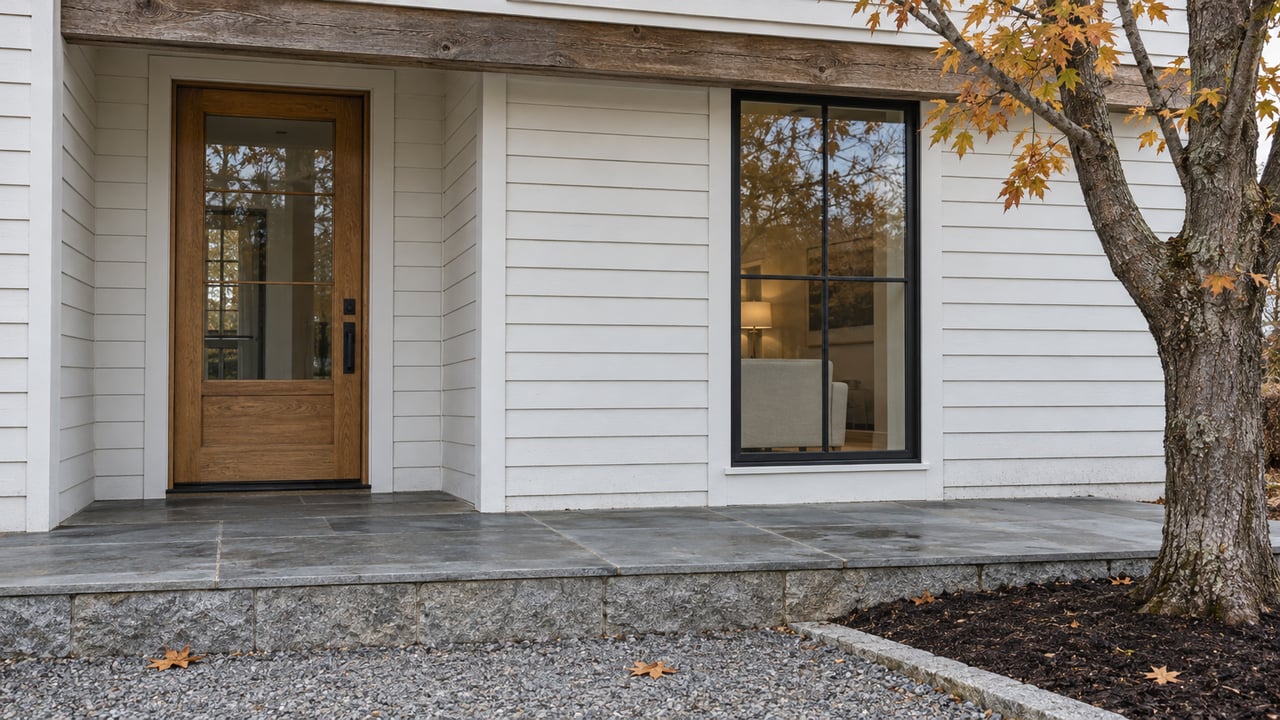
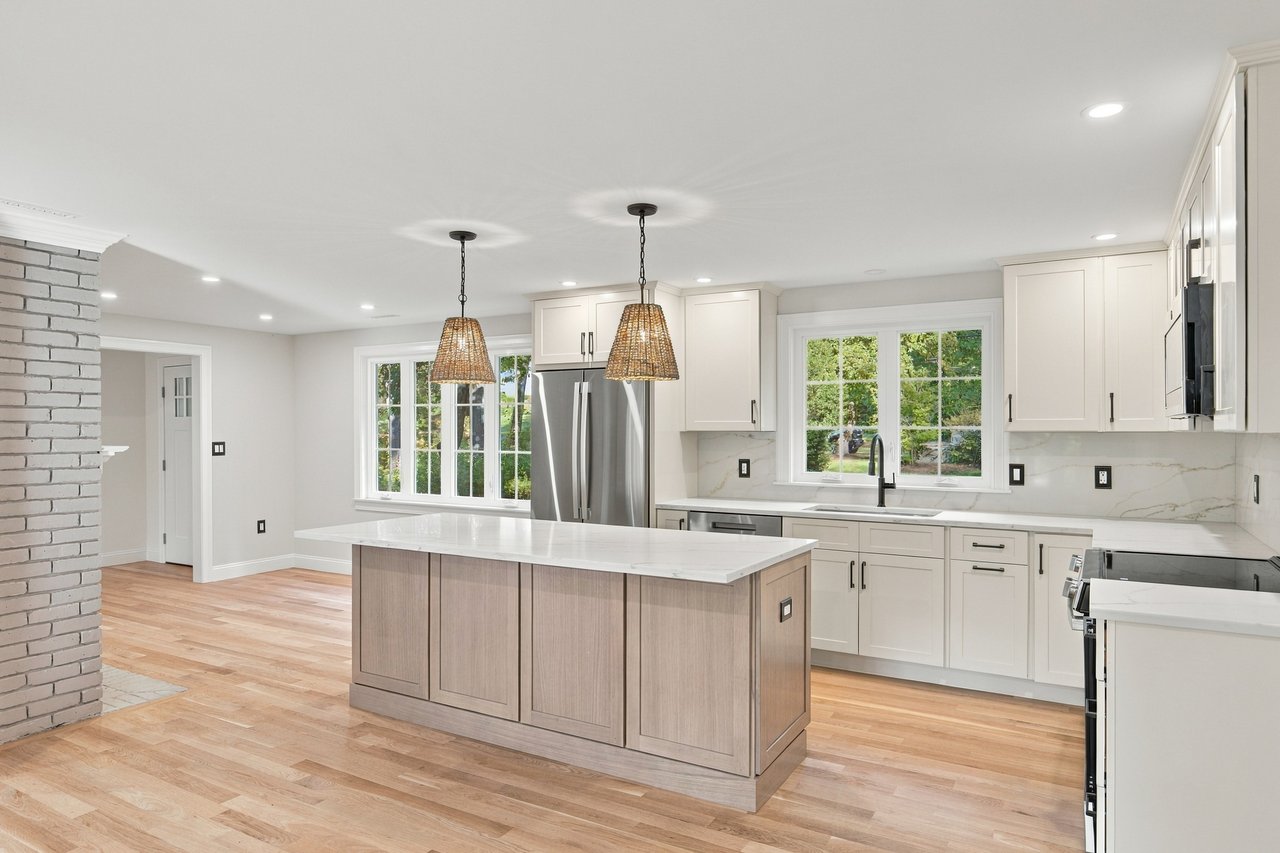
At 15 Timber Lane in Avon, the renovation was thoughtful, comprehensive, and executed with an exceptional level of craftsmanship.
The response from buyers and visitors was consistent.
People were not simply asking about the finishes.
They were asking:
“Who did this renovation?”
Some even wanted to know whether the same person would renovate a home for them.
That tells you something important.
Buyers recognize quality.
They recognize thoughtful execution.
And they recognize when a property has been prepared in a way that gives them confidence.
15 Timber Lane went under contract in just three days.
The lesson is not to spend less.
The lesson is to spend with purpose.
Know where quality matters.
Know where buyers will recognize it.
And know when additional investment is unlikely to materially improve the outcome.
Renovate With Future Resale in Mind
Even if you are not planning to sell tomorrow, significant improvements should still be considered through the lens of future resale.
That does not mean you should design your home solely for a future buyer.
You should absolutely enjoy your home.
But when making a substantial investment, it is worth asking whether the decision will:
• strengthen or limit future buyer appeal
• remain relevant over time
• improve functionality
• support the property’s value
• create confidence in the quality of the home
• require another buyer to spend money changing it later
That conversation can save homeowners from putting significant money into improvements that ultimately create little market return.
This Is Why I Want Sellers to Call Me Before They Renovate
Too often, homeowners call a real estate professional after the projects are finished.
The kitchen has already been selected.
The bathroom has already been renovated.
The flooring has already been installed.
The paint colors have already been chosen.
At that point, the money has been spent.
I would much rather have the conversation before the first modification is made.
A significant part of my work with sellers is helping them determine what is worth improving, what should be left alone, and where an investment is most likely to influence buyer perception and resale value.
I help sellers evaluate:
What is worth improving?
Which changes are most likely to influence buyer confidence and value?
What should be left alone?
Where will additional spending provide little meaningful return?
What level of finish is appropriate?
The right renovation for one property may be completely wrong for another.
What should the project cost?
Even a smart improvement can become a poor investment if the cost becomes disproportionate to the likely benefit.
How will the improvement affect market timing?
A project that delays the ideal launch may have a cost that goes well beyond the contractor’s invoice.
This is not simply renovation advice.
It is part of the selling strategy.
What Should You Improve Before Selling a Connecticut Home?
The answer depends on the property.
A home in Avon may require a different strategy than a West Hartford property.
A condominium may need different preparation than a luxury estate.
A historic home may have architectural elements that should be preserved rather than replaced.
The right strategy depends on:
• current condition
• location
• price point
• anticipated buyer
• competing inventory
• buyer expectations
• cost of the improvement
• quality of what already exists
• timing
• seller goals
That is why I do not believe in giving every seller the same renovation checklist.
Strategy should be property-specific.
Frequently Asked Questions About Renovating Before Selling
Should I renovate my kitchen before selling my home?
Not automatically. The existing condition, likely buyer, neighborhood, price point, renovation cost, and potential return should all be considered first.
Should I remodel a bathroom before selling?
Sometimes. If the bathroom creates a significant buyer objection, renovation may make sense. In other cases, smaller improvements can create enough visual and functional impact without the expense of a complete remodel.
Is it better to renovate or sell a home as-is?
There is no one-size-fits-all answer. The question is whether the improvement is likely to increase buyer confidence and perceived value enough to justify the cost, time, and risk.
Which home improvements add the most value before selling?
The strongest improvements are usually those that address buyer objections, improve condition and presentation, increase functionality, and align with what buyers expect at that property’s price point.
When should I contact a real estate advisor if I may sell in the future?
Before making significant modifications.
That gives us the opportunity to evaluate which investments are most likely to help future resale and which may not be necessary.
Before You Spend, Let’s Have the Conversation
If you own a home in Avon, West Hartford, Farmington, Simsbury, Canton, Burlington, the Farmington Valley, or Hartford County and are considering renovations with a future sale in mind, I encourage you to call me before you begin the project.
We can look at the property through the eyes of the future buyer.
We can discuss what the market is likely to reward.
We can identify where quality matters most.
And we can determine where your money is likely to have the greatest impact.
Sometimes I may recommend a substantial renovation.
Sometimes I may suggest a few strategic improvements.
And sometimes I may tell you to leave it exactly as it is.
Because the goal is not to create the most renovated home.
The goal is to make the right decisions that protect your equity, strengthen your market position, and maximize your future outcome.
Preparation Creates Leverage.
Strategy Creates Opportunity.
Execution Determines Outcome.
Sell for More. Not Just Faster.
Laurie Kane
Luxury Real Estate Advisor
Berkshire Hathaway HomeServices New England Properties
Connecticut & Massachusetts