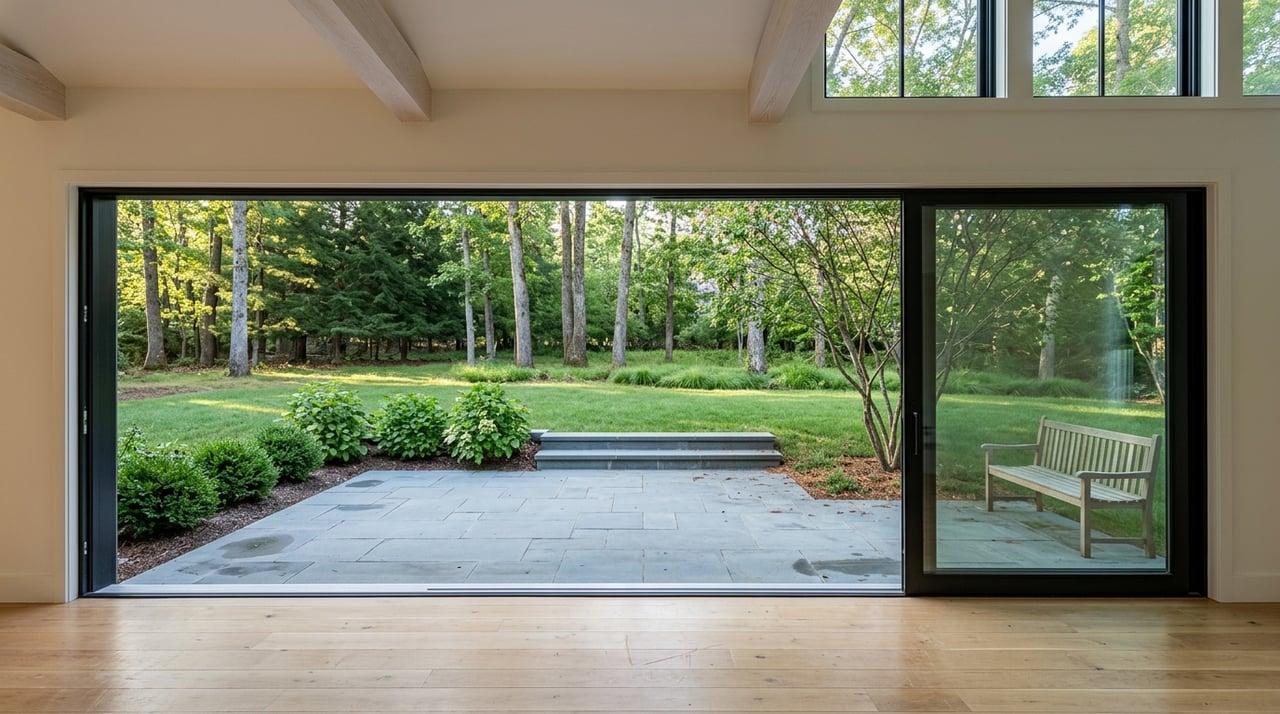
If your ideal day starts with a trail walk, a view of the trees, or time outside close to home, Burlington, Connecticut should be on your radar. For many buyers, outdoor living is not just a weekend bonus. It shapes how you choose a home, a lot, and even a town. In Burlington, that connection to nature is built into the landscape and supported by town planning, recreation spaces, and a wide trail network. Let’s take a closer look at what outdoor focused living in Burlington really means.
Why Burlington Feels So Connected to Nature
Burlington’s outdoor identity is not accidental. The town’s 2020 Plan of Conservation and Development describes open space as a defining feature of the community and identifies 8,787.47 acres of open space resources, which is about 47% of the town’s land area.
That is a major part of why Burlington feels wooded, spacious, and scenic. The town highlights forests, fields, reservoirs, farms, stone walls, and scenic roads as part of its overall character, with an ongoing focus on preserving greenways and trails that connect protected land.
For you as a buyer, that matters in practical ways. It can shape how a neighborhood feels, how much natural scenery you experience day to day, and how easy it is to fit outdoor time into your routine.
Outdoor Access Is Part of Daily Life
In some towns, outdoor recreation means driving somewhere special on the weekend. In Burlington, it can be part of your normal week. Town planning documents specifically support expanding publicly accessible trails in partnership with state agencies, water utilities, and other large landowners.
That tells you something important about the local mindset. Outdoor access is treated as a community priority, not just leftover land between homes.
Burlington’s Trail Network
Burlington’s town trail guide points to an unusually extensive local system with 52 trail choices totaling more than 230 miles. That range gives you options whether you want a short walk, a steady hike, or a longer ride.
Highlighted routes include the 6.1 mile paved Farmington River Trail, Sessions Woods loops, and Reservoir Ridge. The variety helps support different lifestyles, from casual evening walks to more active outdoor routines.
Sessions Woods Wildlife Management Area
Sessions Woods offers a strong example of Burlington’s mix of recreation and conservation. According to CT DEEP, the area includes self guided hiking trails, habitat demonstration sites, public programming, and parking, with trails open from sunrise to sunset.
If you enjoy learning as much as exploring, this setting offers both. It gives you access to a natural landscape that feels usable and welcoming without losing its conservation purpose.
Nassahegon State Forest
Nassahegon State Forest is entirely within Burlington and supports hiking, mountain biking, and birdwatching. CT DEEP also notes that the forest contributes to Burlington’s rural character while helping protect the nearby state fish hatchery area.
For buyers who want a town where natural land is part of the local identity, this is a meaningful asset. It is not just about views from the car window. It is about having real places to go outside and move.
Parks That Add Variety to Outdoor Living
Trails are a major part of Burlington life, but they are not the only part. The town also maintains recreation complexes and park settings that support a wider mix of activities.
Current town facilities include the Foote Road Recreation Complex, Malerbo Recreation Complex, Nassahegan Recreation Complex, and Johnnycake Mountain Park. Together, these spaces broaden what outdoor living can look like depending on your interests and stage of life.
Johnnycake Mountain Park
Johnnycake Mountain Park stands out for both scenery and setting. The town describes it as a 57.9 acre property on the east face of Johnnycake Mountain with open grass field, hardwood forest, ponds, hiking trails, and commanding views.
The property has also been associated with passive uses such as skating, snowshoeing, and fishing, while town planning for the site prioritizes preservation of its farm like setting. That balance gives Burlington a less commercial, more landscape driven feel.
Reservoir Land Shapes the Town’s Character
One of the biggest reasons Burlington feels open is the role of reservoir and watershed land. The town’s history materials state that Nepaug Reservoir in the north and the New Britain Reservoir in Whigville, along with their watersheds, make up more than one quarter of Burlington’s total land area.
That is a remarkable share of land. It helps preserve large stretches of open space and explains why Burlington can feel removed from busier nearby areas while still being part of the broader Farmington Valley.
For you, this can translate into a more peaceful visual environment. More trees, more undeveloped land, and more space between built areas often create the kind of setting buyers picture when they say they want a home that feels like a retreat.
What Outdoor Focused Living Looks Like at Home
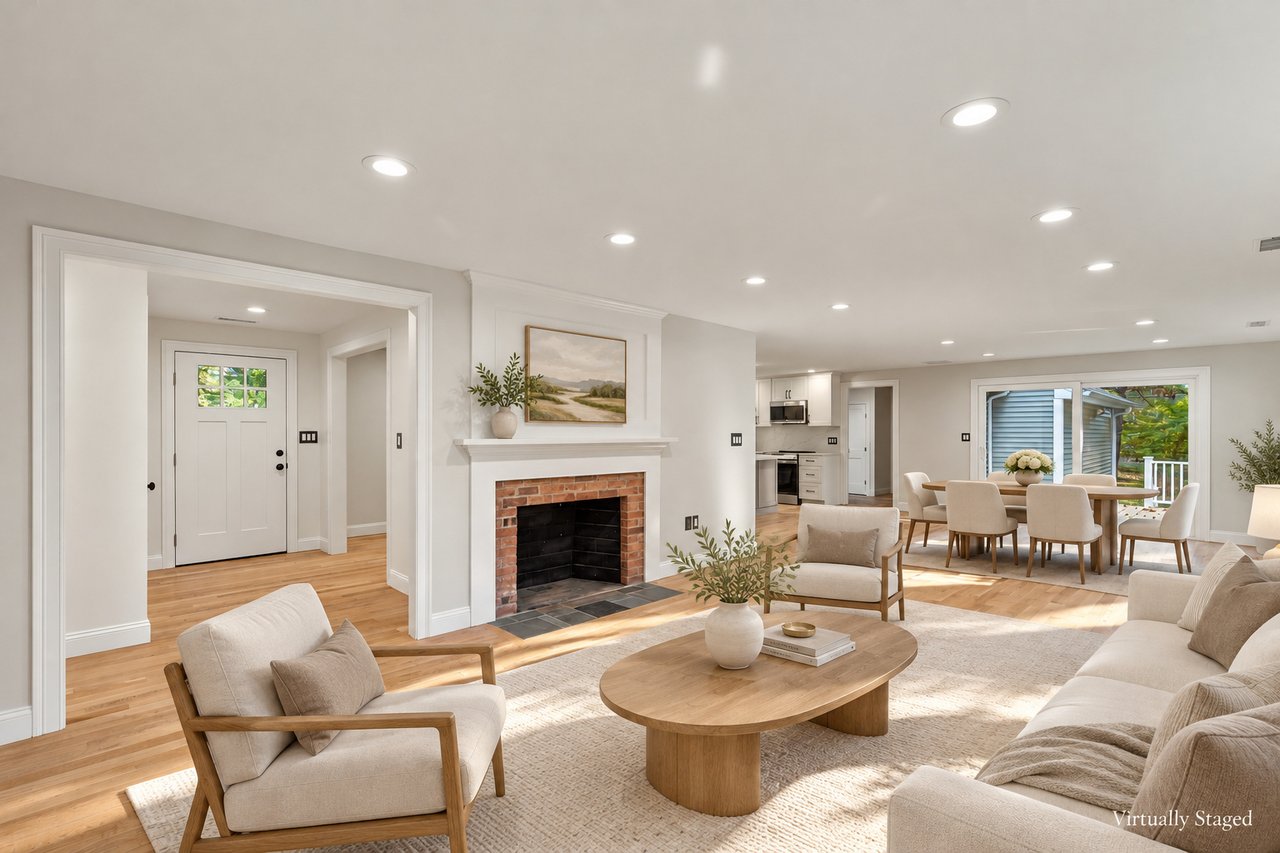
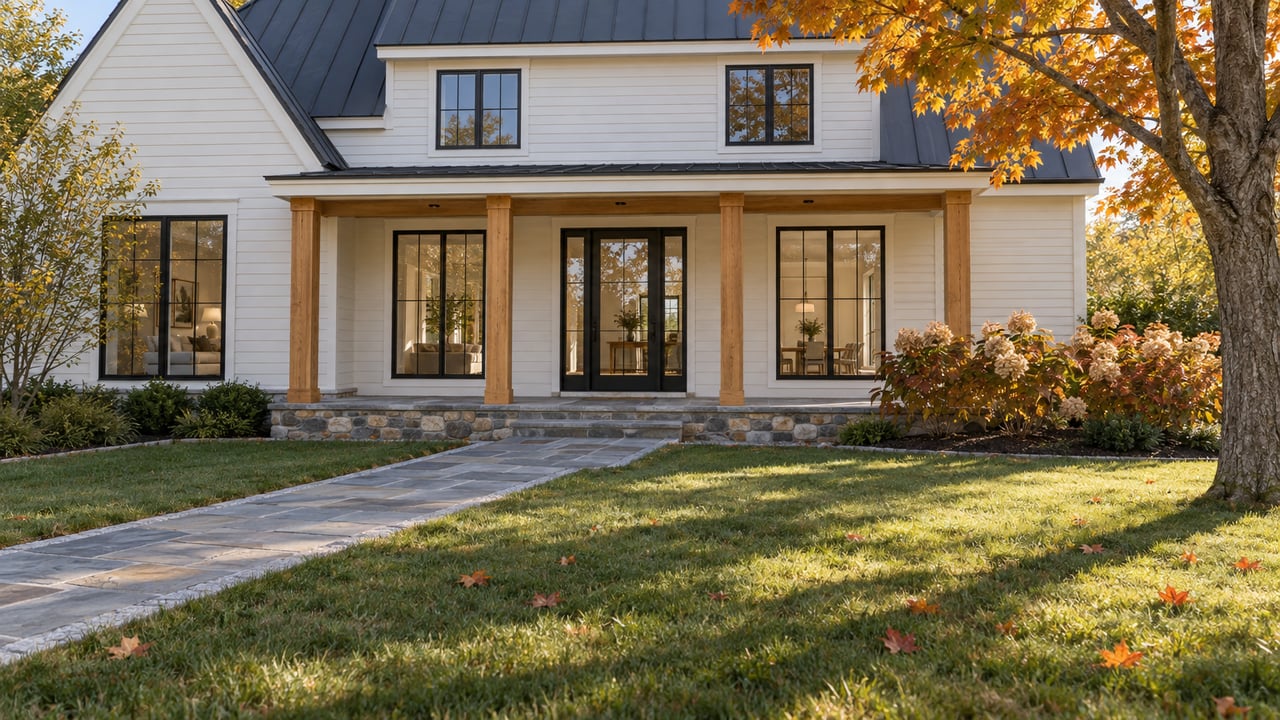
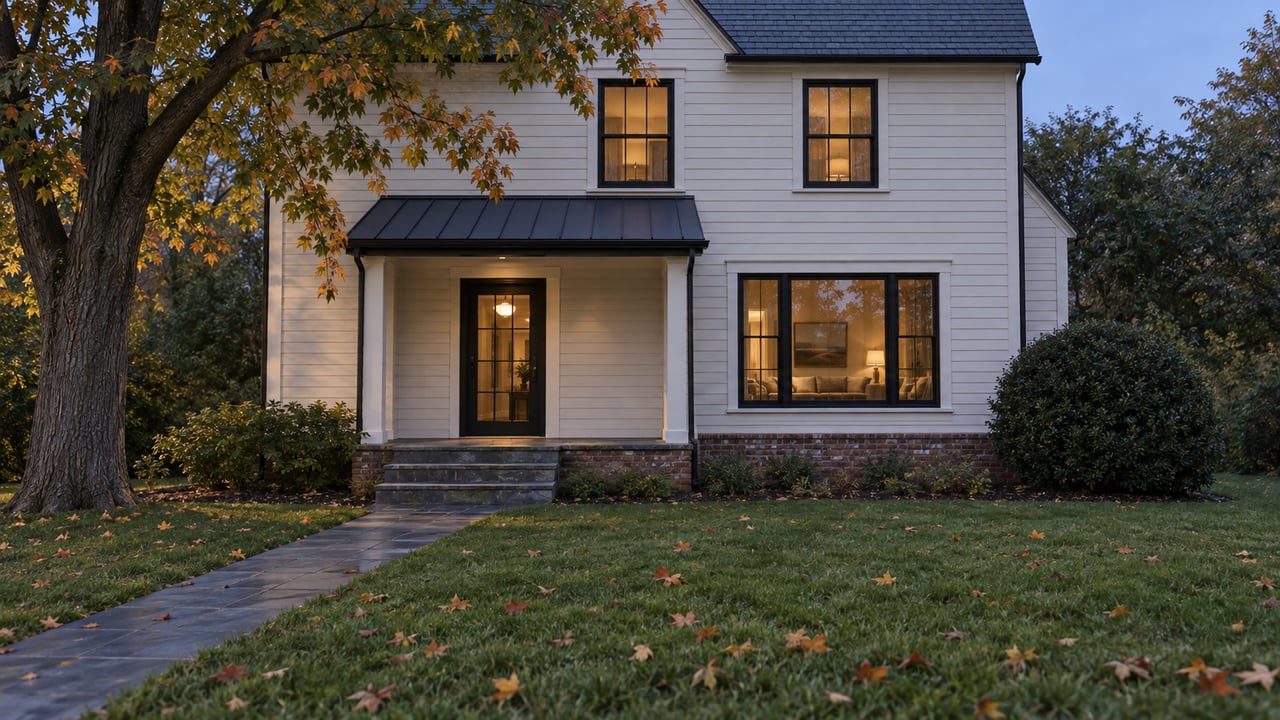
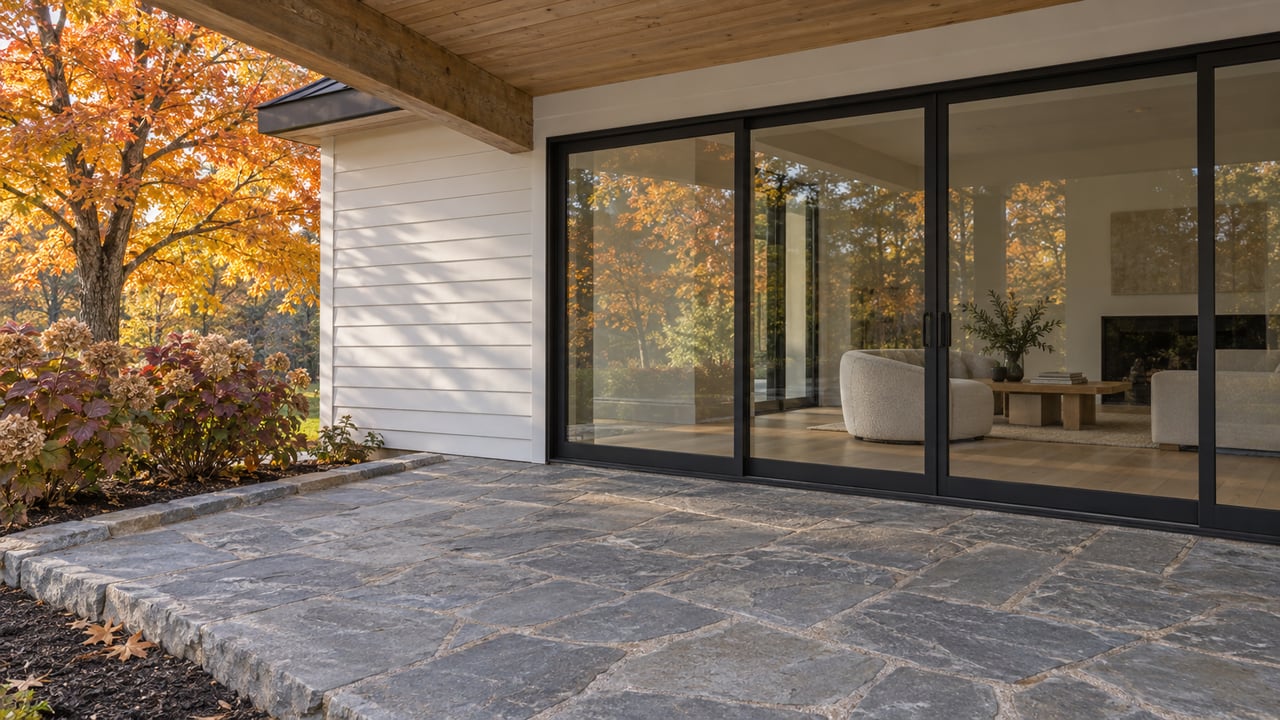
Outdoor focused living in Burlington is not limited to parks and trails. It also shows up in the kinds of properties and settings many buyers look for here.
The town’s planning framework supports lower density single family development in outlying areas, housing options near Burlington Center, and preservation of the character and integrity of single family neighborhoods. It also says future subdivisions should protect important natural resources and site features.
That suggests a housing pattern shaped more by land and landscape than by dense multifamily development. If you are searching in Burlington, you may be especially drawn to:
- Wooded lots with privacy and a natural backdrop
- Homes near trail access or recreation areas
- Properties with elevated or view oriented settings
- Farm adjacent surroundings or open landscape views
- Single family homes with room for outdoor gathering and gardening
This does not mean every home will fit the same outdoor lifestyle. But it does mean Burlington offers a setting where the relationship between home and landscape often plays a larger role in your decision.
Burlington’s Seasons Add to the Lifestyle
Outdoor living in Connecticut changes with the seasons, and Burlington is a good example of that rhythm. The town’s Parks and Recreation Department supports programs, events, and memberships, and the town maintains a public calendar for municipal and community happenings.
The town’s history materials also identify recurring traditions such as the Memorial Day Parade and Remembrance Service, Johnnycake Music Fest, and Tavern Day. These events help connect residents to place in a way that feels local and seasonal.
For buyers, that can make a difference. A town with a strong outdoor and civic rhythm often feels more grounded, because public spaces are not just there to look at. They are used, shared, and woven into community life.
What Buyers Should Consider in Burlington
If outdoor living is high on your list, Burlington offers a compelling mix of natural land, recreation access, and lower density residential character. Still, the right fit depends on how you want to live day to day.
As you explore homes in Burlington, think about questions like these:
- Do you want direct access to trails or just proximity to them?
- Would you prefer a wooded lot, open field views, or a more central location near Burlington Center?
- How much outdoor maintenance feels comfortable for your lifestyle?
- Are you looking for space to entertain outside, garden, or simply enjoy privacy?
- Do you want easy access to recreation complexes as well as conservation land?
These details can help narrow your search in a way that feels practical, not just aspirational. A beautiful setting matters most when it supports the way you actually live.
Why Local Guidance Matters
In a town like Burlington, two homes at similar price points can offer very different lifestyle experiences. One may feel tucked into the woods, another may sit near recreation amenities, and another may offer a more open, view driven setting.
That is where local market knowledge becomes especially valuable. Understanding how trail systems, reservoir land, road patterns, and neighborhood settings shape everyday living can help you focus on homes that truly match your goals.
Whether you are relocating, moving up, or looking for a home that better supports your lifestyle, Burlington offers a distinctive outdoor story within the Farmington Valley. If you want help finding the right fit or preparing a home for sale in this market, Laurie Kane offers thoughtful buyer advocacy and high touch seller guidance tailored to the region.
FAQs
What makes outdoor living in Burlington, Connecticut stand out?
- Burlington has a strong open space identity, with about 47% of the town’s land area identified as open space resources in the 2020 Plan of Conservation and Development.
What trails are available for outdoor recreation in Burlington, CT?
- Burlington’s trail guide lists 52 trail choices totaling more than 230 miles, including the Farmington River Trail, Sessions Woods loops, and Reservoir Ridge.
What is Sessions Woods Wildlife Management Area in Burlington?
- Sessions Woods is a public conservation and recreation area with self guided hiking trails, habitat demonstration sites, and programming, with trails and parking open from sunrise to sunset.
What is Nassahegon State Forest used for in Burlington, Connecticut?
- Nassahegon State Forest supports hiking, mountain biking, and birdwatching, while also contributing to Burlington’s rural landscape and habitat protection.
How do reservoir lands affect life in Burlington, CT?
- Nepaug Reservoir, the New Britain Reservoir, and related watershed lands account for more than one quarter of Burlington’s land area, helping preserve the town’s spacious and wooded feel.
What types of homes fit an outdoor focused lifestyle in Burlington?
- Buyers often look for single family homes with wooded lots, open views, proximity to trails or recreation areas, and outdoor space for gathering, gardening, or privacy.