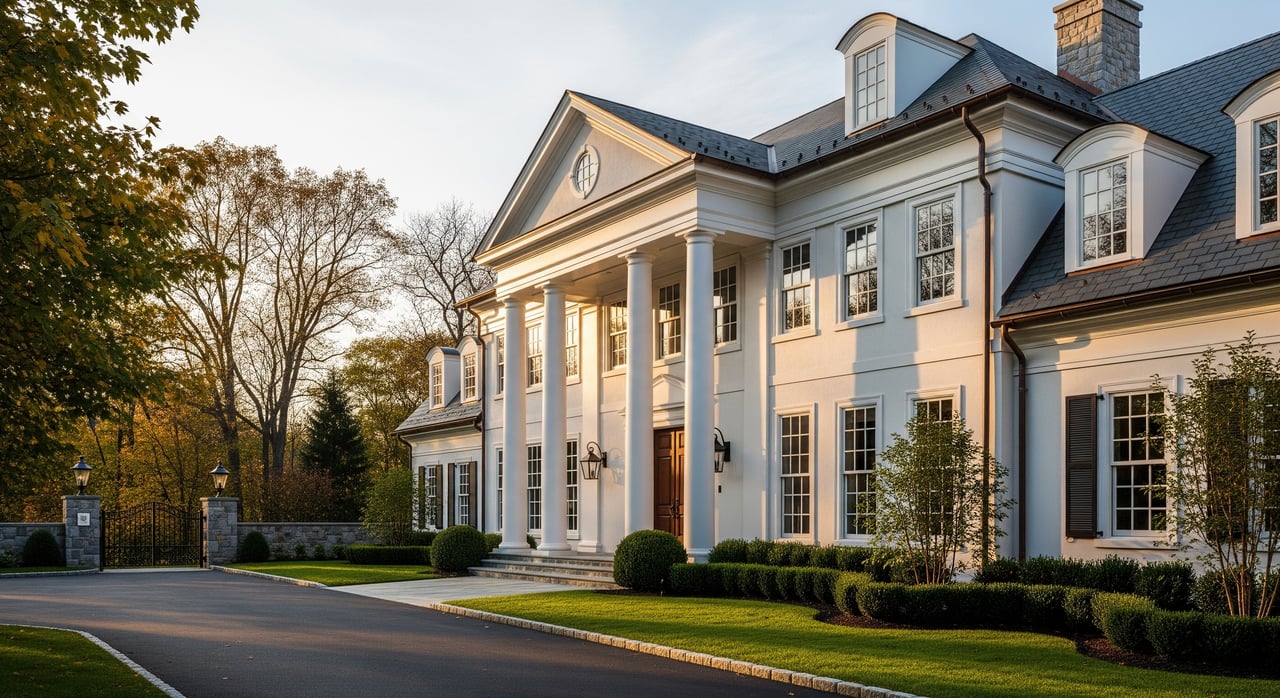
Selling a luxury home in Farmington is part art, part science. You want a price that honors your home’s design, amenities, and setting without scaring off qualified buyers. With the right framework, you can anchor your list price in data, highlight what makes your property rare, and move to contract faster. This guide shows you how to do that with a clear pricing process, presentation strategies that earn a premium, and a checklist you can use now. Let’s dive in.
Why luxury pricing is different
Luxury homes in Farmington live in a niche market with fewer sales and a more selective buyer pool. Proximity to Hartford job centers, UConn Health, Bradley International Airport, and major roads shapes demand at the higher end. So do lifestyle drivers like private lots, river or view lots, proximity to country clubs, and updated, design-forward interiors.
Because there are fewer direct comps, single sales can’t carry all the weight. You need a layered pricing approach that reflects micro-markets inside Farmington and the features that matter most to luxury buyers. Condition and presentation also have an outsized impact on perceived value and time to contract.
The proven pricing framework
Define tiers and buyer pools
Start by placing your home in a realistic tier. Upper-mid homes are high-quality within mainstream neighborhoods, while lower luxury and luxury properties offer premium lots, architecturally significant design, or bespoke amenities like pools, guest houses, or extensive landscaping. Matching your tier to the right buyer pool keeps your comps relevant and your adjustments smaller.
Build a tiered CMA
Use three rings of comparables to create a defensible price range:
- Direct comps: Same tier and micro-market, sold in the last 12 months when possible.
- Near comps: Adjacent pockets with similar characteristics to cross-check adjustments.
- Aspirational comps: Higher sales that show what buyers will pay for upgrades. Use these to justify a premium, not as straight comps.
Gather candidates from the local MLS and expand the time frame to 12–24 months if turnover is low. Cross-check with assessor data for accurate lot sizes and build history.
Choose micro-market comps
Micro-markets inside Farmington can be just a few streets wide. Focus on pockets that share the same value drivers as your home. Examples include hilltop views, Farmington River access, proximity to country clubs, or consistent lot sizes. Prioritize comps with similar finished square footage, effective age, renovation level, suite count, and meaningful amenities.
Make smart adjustments
Use dollar adjustments for discrete features and percentage adjustments for condition and presentation. Directional ranges often used by appraisers and agents include:
- Lot size or acreage: 2–10% per meaningful increment.
- View or river frontage: 5–20% based on scarcity and quality.
- Pool: 2–6% depending on buyer expectations in your tier.
- High-end kitchen or bath renovations: 3–8% tied to quality and recency.
- Finished lower level: 2–6% for added functional space.
These are guideposts. Support each adjustment with local examples whenever possible. For unique features like equestrian facilities or a separate guest house, pair a specific comp or a replacement cost logic with market reaction.
Handle unique or sparse comps
When direct comps are thin, layer methods:
- Trend price per finished square foot across nearby, similar micro-markets and adjust for lot and amenities.
- Compare sale-to-list ratios for similar homes to gauge market reaction.
- For new or custom builds, consider a cost approach that blends land value with replacement cost and reasonable depreciation.
- Test the market quietly with broker previews or prequalified buyer showings to read price sensitivity before full launch.
Presentation that earns a premium
What to invest in
Luxury buyers expect a curated experience. Investments that move the needle include:
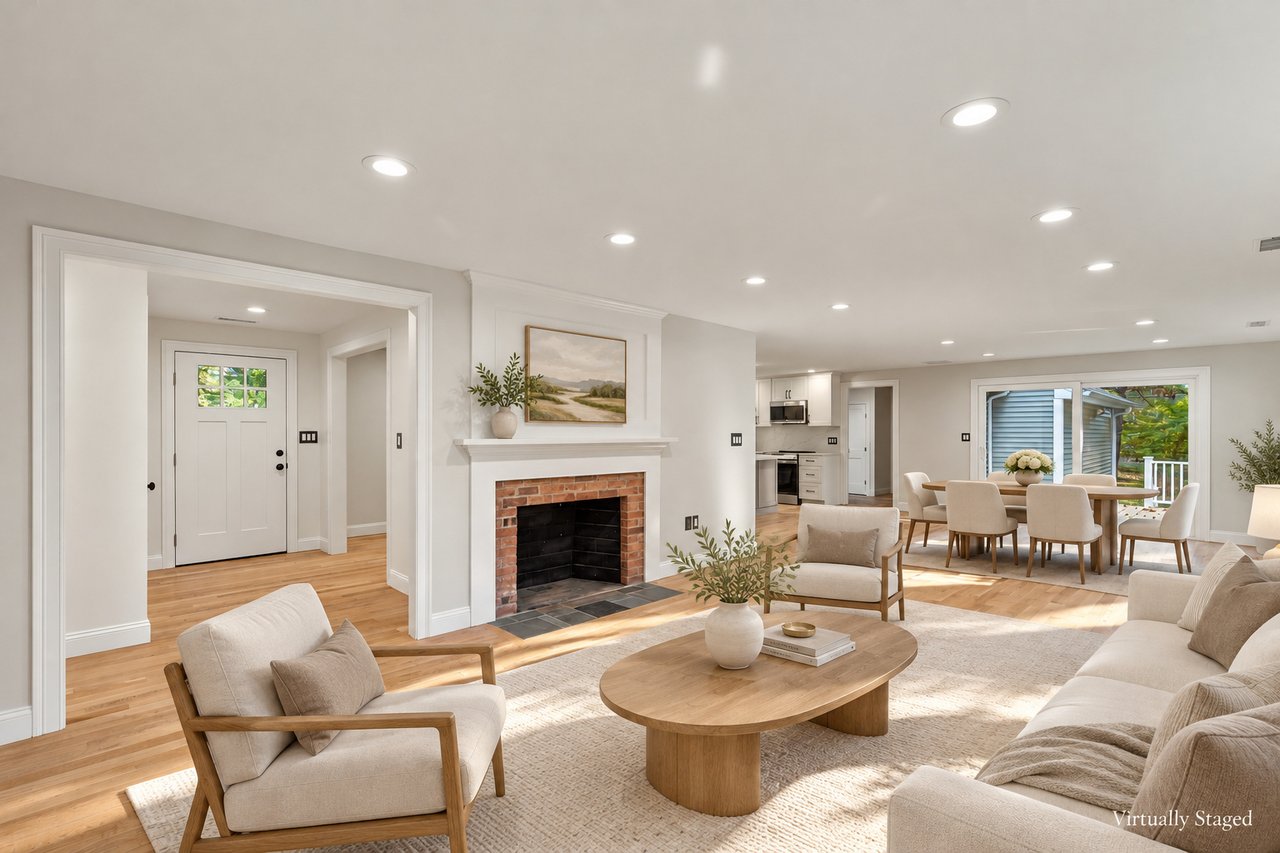
- Physical staging, thoughtful decluttering, and professional styling.
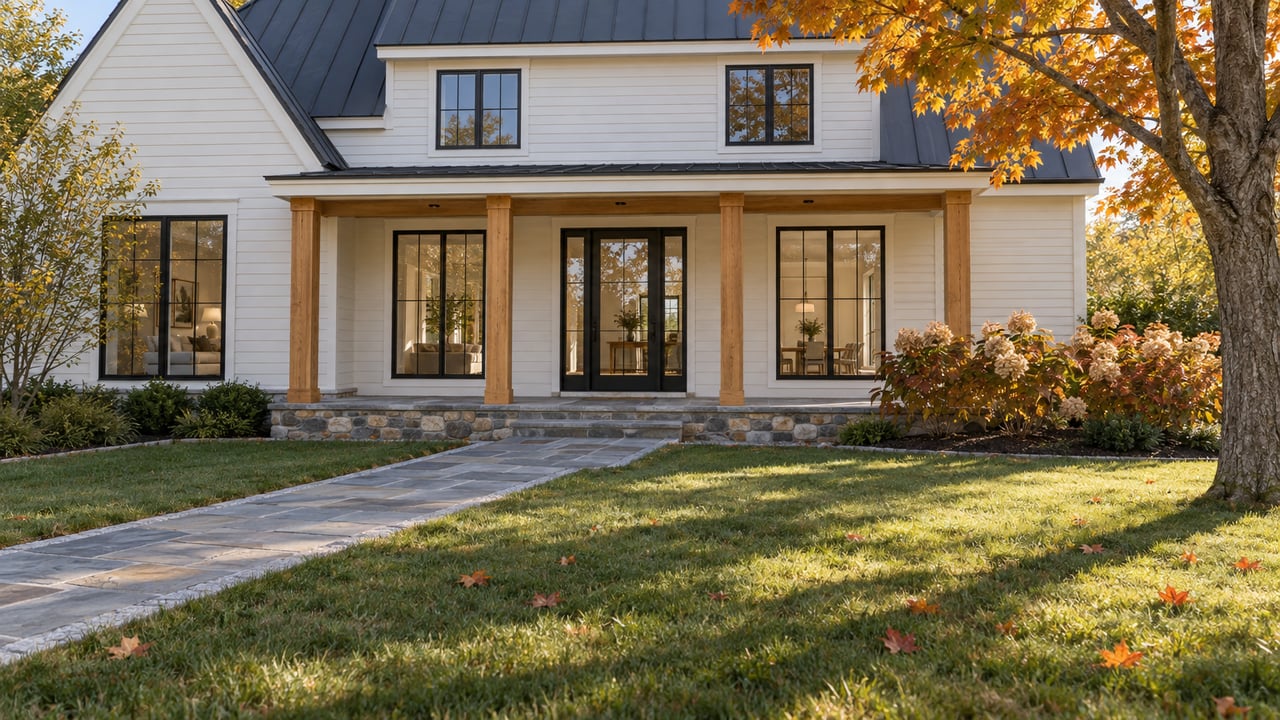
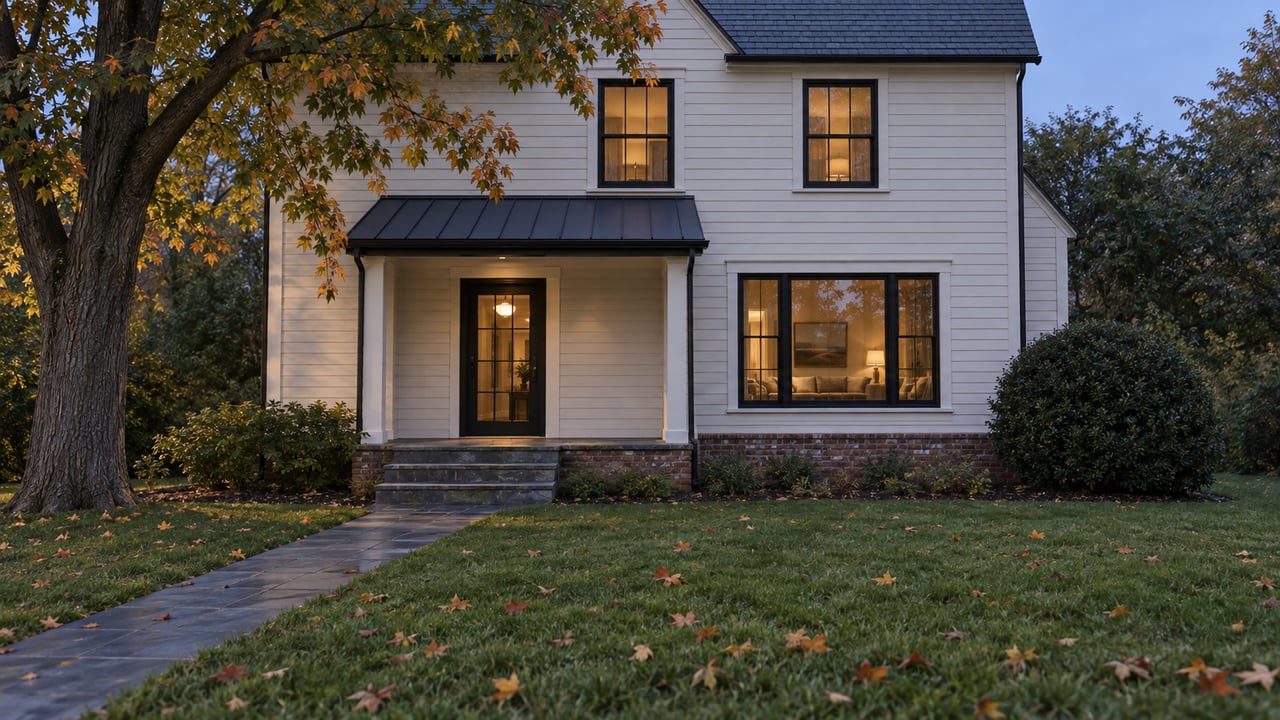
- High-resolution photography, twilight exteriors, and drone imagery for large or view lots.
- Video tours, guided walkthroughs, and cinematic films that tell a lifestyle story.
- 3D tours and detailed floor plans to support out-of-area and time-constrained buyers.
- Targeted digital ads, private broker events, and appointment-only showings for qualified buyers.
How much it can add
Industry studies and agent surveys consistently show staging can support a 1–5% price benefit compared to unstaged peers in many suburban markets. Professional photos, video, and 3D tours often correlate with faster days on market and modest price lifts in the 1–3% range. When combined, staging plus superior media and targeted outreach can create a 2–8% upside potential and materially shorten time to contract, especially in luxury segments.
Apply premiums to your CMA
Price in two steps. First, establish the “as-is” range using your tiered CMA. Next, layer in an explicit presentation premium supported by plan and evidence. For example, add a documented 3% premium for full staging and a cinematic media package if your comps show buyers paying more for turnkey presentation in your micro-market. Avoid double counting if you are also adjusting for recent renovations.
Pricing strategies that work
Positioning package
Make your price credible with a package that includes:
- A clear comp set with transparent adjustments and micro-market context.
- Full media suite: photos, video, 3D tour, floor plans, and site plan where relevant.
- A list of upgrades, permits, and maintenance records.
- Third-party support if helpful, such as a pre-listing inspection or appraisal.
- Neighborhood highlights that matter to your likely buyer, such as commute routes, local employers, access to trails, or proximity to private clubs.
Set the list price
Pick a strategy based on your buyer pool:
- Narrow pool at the very high end: choose a conservative list within your supported range and lean on targeted outreach and broker relationships.
- Broad pool with strong appeal: consider pricing just below a key threshold to encourage competition.
- Value-plus: if your home is turnkey and your marketing is top tier, list at the high end of the supported range and let presentation justify the price.
Speed tactics
Speed comes from quality control and urgency. Require proof of funds or prequalification for private showings. Use structured showing windows, high-quality broker tours, and twilight events to concentrate demand. When appropriate, set an offer review timeline so motivated buyers act decisively.
Mitigate risks
Overpricing can turn into a stale listing. Set review checkpoints at two weeks and then every two to four weeks to assess traffic, feedback, and offers. If marketing does not match price, upgrade staging and media before cutting price. Unique properties may require patience and targeted outreach instead of broad price reductions.
Farmington seller checklist
- Commission a pre-listing inspection and compile permits and renovation records.
- Book full staging or partial styling appropriate to your tier and timeline.
- Order professional photography, twilight exteriors, drone, cinematic video, 3D tour, and floor plans.
- Build a compact market packet with 6–8 strong comps plus near and aspirational comps.
- Create a targeted outreach list of top local brokers, relocation partners, and prequalified buyers.
- Set showing rules and a communications plan before launch.
What to expect with Laurie Kane
You get a boutique, design-forward listing experience paired with data-driven pricing. Laurie Kane Real Estate uses tiered CMAs and micro-market analysis to set your range, then layers in complimentary in-house staging, professional photography, cinematic video, and AR or interactive 3D tours to elevate presentation. The result is a clear pricing story that justifies premium value and reduces days on market.
From list to close, you also get hands-on project management, buyer verification, and negotiation support. Our vendor network handles details like styling, media, repairs, and legal coordination so you can focus on your move. If you are relisting after a stalled attempt, we can reposition the property with upgraded presentation and targeted outreach to reengage the right buyers.
Ready to price your Farmington luxury home with confidence? Request your complimentary CMA and staging consultation with Laurie Kane.
FAQs
How do you price a luxury home in Farmington?
- Use a tiered CMA with direct, near, and aspirational comps, prioritize micro-market matches, and layer in clear adjustments for lot, condition, amenities, and presentation.
What is a micro-market in Farmington pricing?
- It is a small pocket defined by streets, topography, lot sizes, and value drivers like river access, views, or proximity to clubs that influence buyer decisions.
Do staging and media really add value at the high end?
- Yes, staging often supports a 1–5% premium and pro media can add 1–3%, with combined strategies improving both price potential and time to contract.
When should I consider a price change on a luxury listing?
- Set a formal review at two weeks, then every two to four weeks, and adjust based on showings, feedback, and offers while aligning marketing quality to price.
How do you price unique features like pools, acreage, or guest houses?
- Use specific comps or replacement cost logic for discrete features, apply percentage adjustments for condition, and document your reasoning to support the final price.