If you want a lifestyle where coffee, errands, dinner, and an evening event can all happen within a short walk, West Hartford should be on your radar. For many buyers, the challenge is knowing which parts of town truly support that kind of day-to-day routine and which areas feel more car-dependent. This guide will help you understand where walkable living is most realistic in West Hartford, what daily life looks like on foot, and how to think about housing near the center. Let’s dive in.
Where walkable West Hartford begins
When people talk about walkable West Hartford living, they are usually talking about West Hartford Center and Blue Back Square. West Hartford Center sits at Main Street and Farmington Avenue and is described by the town as a traditional New England town center with more than 140 retailers, specialty shops, boutiques, service providers, restaurants, and outdoor dining options.
Right next to it, Blue Back Square adds another layer of convenience with shopping, dining, entertainment, and residential living in one connected district. The town describes it as a unique destination for living, dining, shopping, and entertainment, which helps explain why this area feels more like a true downtown than a typical suburban commercial strip.
For buyers who value a walk-first routine, this is the strongest starting point. The closer you are to the Center and Blue Back Square, the easier it becomes to handle everyday activities without getting in the car for every trip.
What daily life looks like on foot
A walkable lifestyle is about more than sidewalks. It is about whether your routine actually fits the area around you, and in West Hartford’s core, it often can.
You can picture a typical day that starts with coffee, moves into errands or a library visit, and ends with lunch, shopping, or an evening event nearby. The Noah Webster Library is part of the Blue Back Square area, and town parking guidance specifically references library visitors using the Isham Garage, which shows how civic uses are built right into the pedestrian core.
This district also stays active beyond business hours. The town regularly programs public space in Blue Back Square, including Webster Walk and Isham Road, with recurring events and performances that help keep the area lively.
Seasonal programming adds even more appeal. The Blue Back Farmers’ Market runs on Sundays from June through October at the Town Hall lot and features more than 20 vendors, live music, readings, and community programming.
Why the area feels so walk-friendly
West Hartford’s pedestrian appeal is not accidental. The town is actively rebuilding the Center’s streetscape with wider sidewalks, decorative lighting, raised crosswalks, and other pedestrian improvements, with the current project timeline pointing to completion by November 20, 2026.
The town’s planning materials also emphasize better pedestrian connections between West Hartford Center and Blue Back Square. That matters because a walkable neighborhood works best when the pieces of daily life feel connected rather than scattered.
West Hartford has also adopted a Vision Zero plan to eliminate fatalities and severe injuries by 2033. Its Complete Streets policy supports transportation design focused on health, safety, economic vitality, and quality of life, which reinforces the town’s long-term commitment to making walking more practical and comfortable.
Dining, events, and street life
One of the biggest perks of living near the Center is that the area offers more than just convenience. It also brings energy and variety to your routine.
The town notes that West Hartford Center includes many restaurants with outdoor dining, which adds to the neighborhood feel during warmer months. Instead of treating dinner or meeting friends as a destination drive, you may be able to make it part of your everyday rhythm.
Blue Back Square also hosts recurring events and performances in its public spaces. West Hartford’s concerts and events calendar includes free outdoor concerts from May to October, which gives residents another reason to stay local and enjoy the district on foot.
For many buyers, that mix of practical convenience and social activity is what makes this part of town stand out. You are not just near stores and services. You are near a place that stays active and useful throughout the week.
Getting around without driving every trip
Walkable does not always mean car-free, especially in a suburban setting. In West Hartford, a more realistic goal for many households is a car-light lifestyle.
CTtransit Hartford operates more than 30 local routes and 13 express routes. The local network includes Route 60 along Farmington Avenue and West Hartford Center, plus nearby Farmington Avenue routes 62, 64, and 66.
CTfastrak also provides direct service to West Hartford and Hartford, which can make bus commuting a practical option for some residents. A current CTtransit service adjustment also references a late-evening Route 60 trip from West Hartford Center to downtown Hartford, confirming a direct connection between the Center and the city.
That said, most buyers should think of this area as highly walkable rather than fully car-free. The town manages on-street parking, surface lots, and garages in the Center and Blue Back Square, and it says the district has more than 5,000 parking spaces, including the Memorial Garage and Isham Garage. That setup supports a middle ground where you can walk often but still keep a car for longer trips, commuting, or errands beyond the core.
Recreation beyond the town center
Walkable living also feels stronger when you have easy ways to get outside. West Hartford offers that benefit through a mix of trails, parks, and public spaces.
The Trout Brook Trail is a paved greenway intended for walkers, runners, and bicyclists. The town describes it as almost 4 miles long, following Trout Brook from New Park Avenue to Asylum Avenue, and says it can serve as a route to exercise, commute, and explore.
The broader park system adds more options across town. West Hartford highlights parks including Elizabeth Park, Fernridge Park, Spicebush Swamp Park, and Wolcott Park, while noting that Spicebush Swamp includes a short walking trail near Farmington Avenue.
For buyers who want both urban-style convenience and access to open space, that balance can be appealing. You can enjoy the energy of the Center while still having nearby places to walk, move, and recharge.
Housing options near the core
If your top priority is walkability, your housing search should start with the areas closest to Blue Back Square and West Hartford Center. The housing stock nearest the core tends to differ from what you will find farther out on surrounding residential streets.
Town bond materials describe Blue Back Square as a mixed residential, retail, and office development with residential apartments and loft apartments. The town also describes the broader Center as attracting investment in retail, restaurants, and multifamily housing.
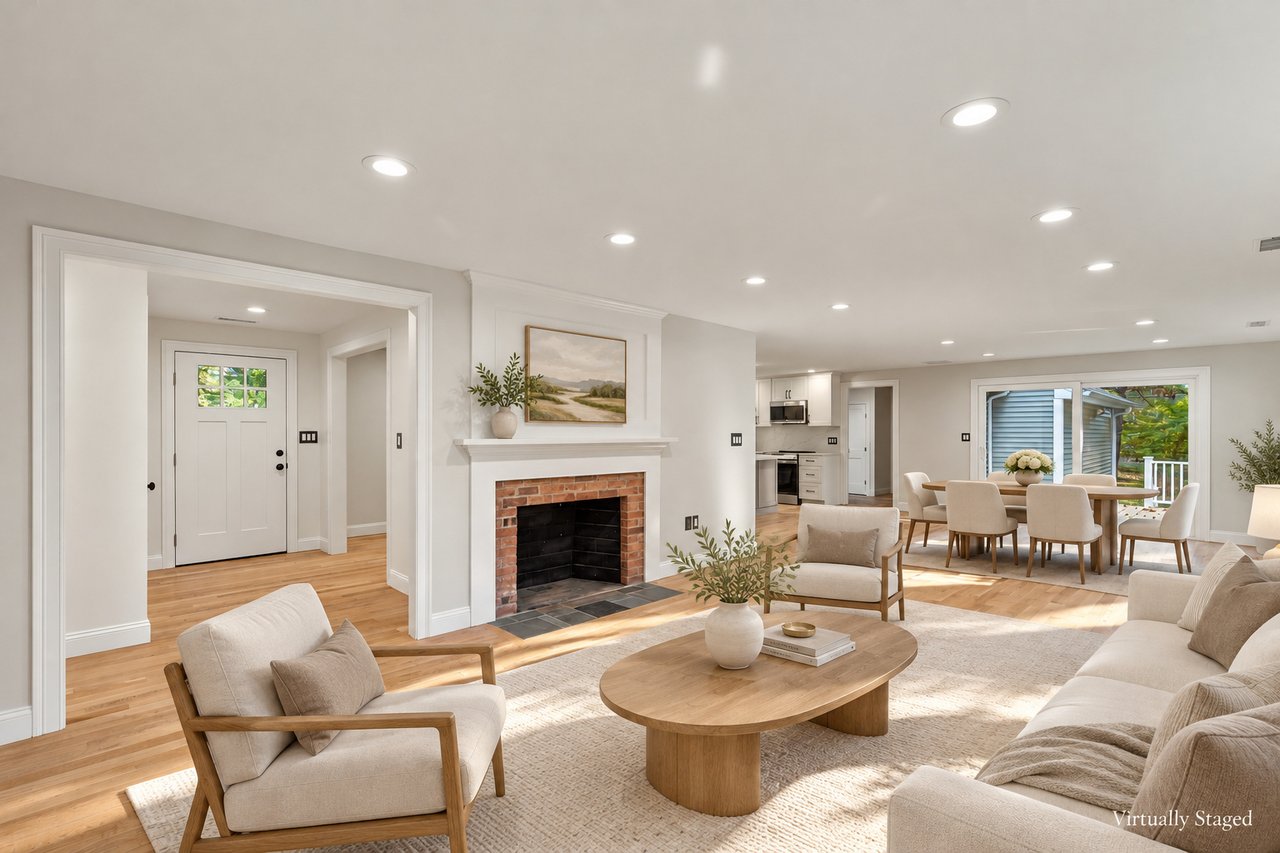
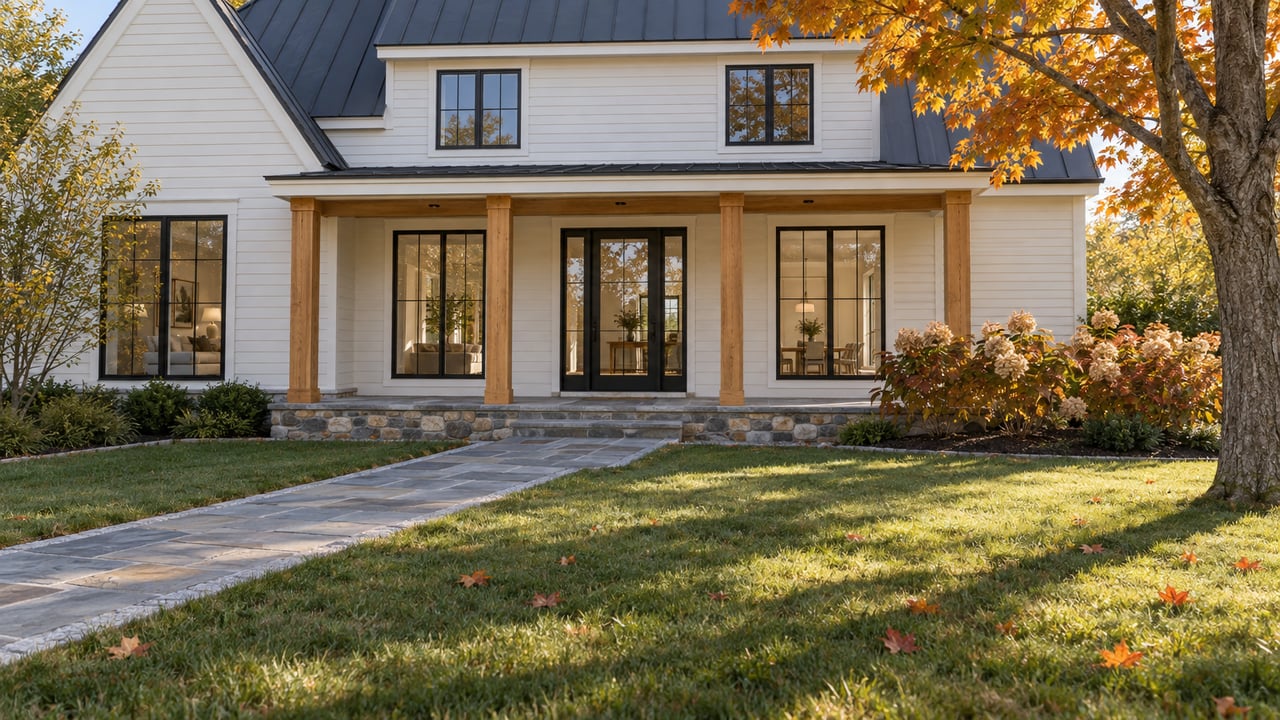
That means buyers looking for the most convenient walkable setup may find the strongest fit in condos, apartments, loft-style options, or other attached housing near the center. West Hartford’s assessor also identifies local real estate categories that include single-family homes, multifamily properties, apartments, and condominiums, which reflects the broader range of housing types in town.
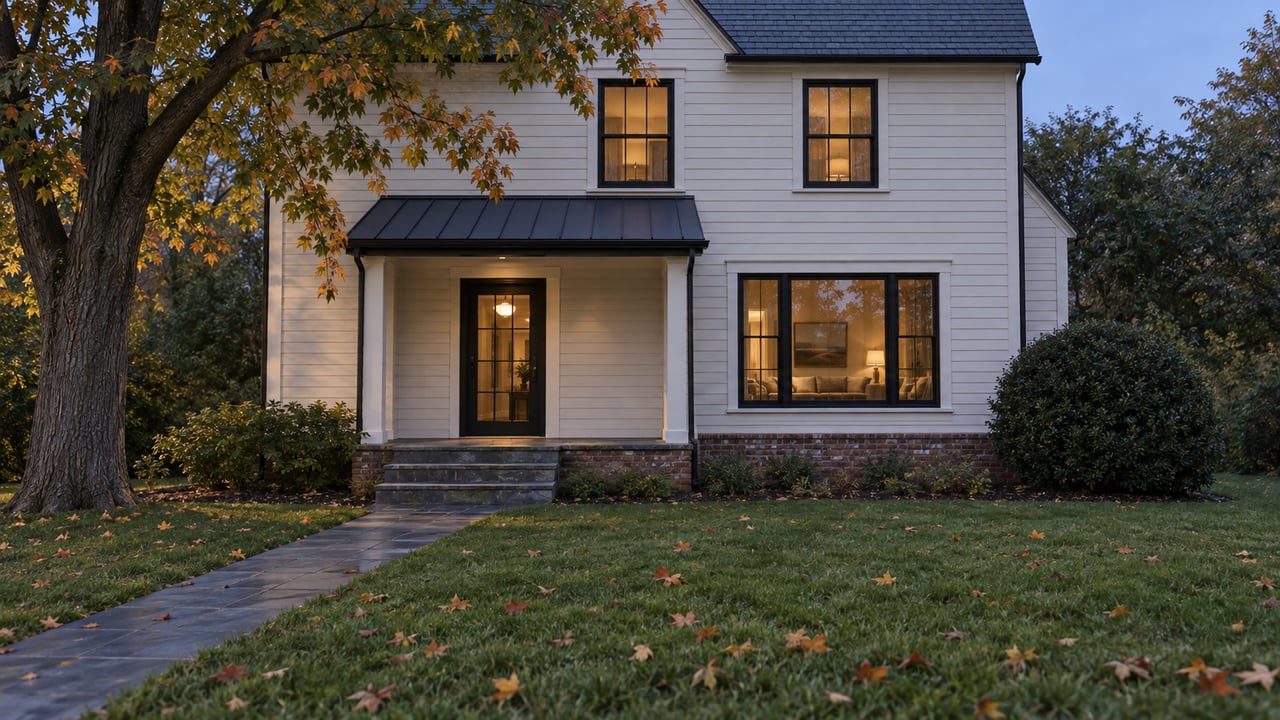
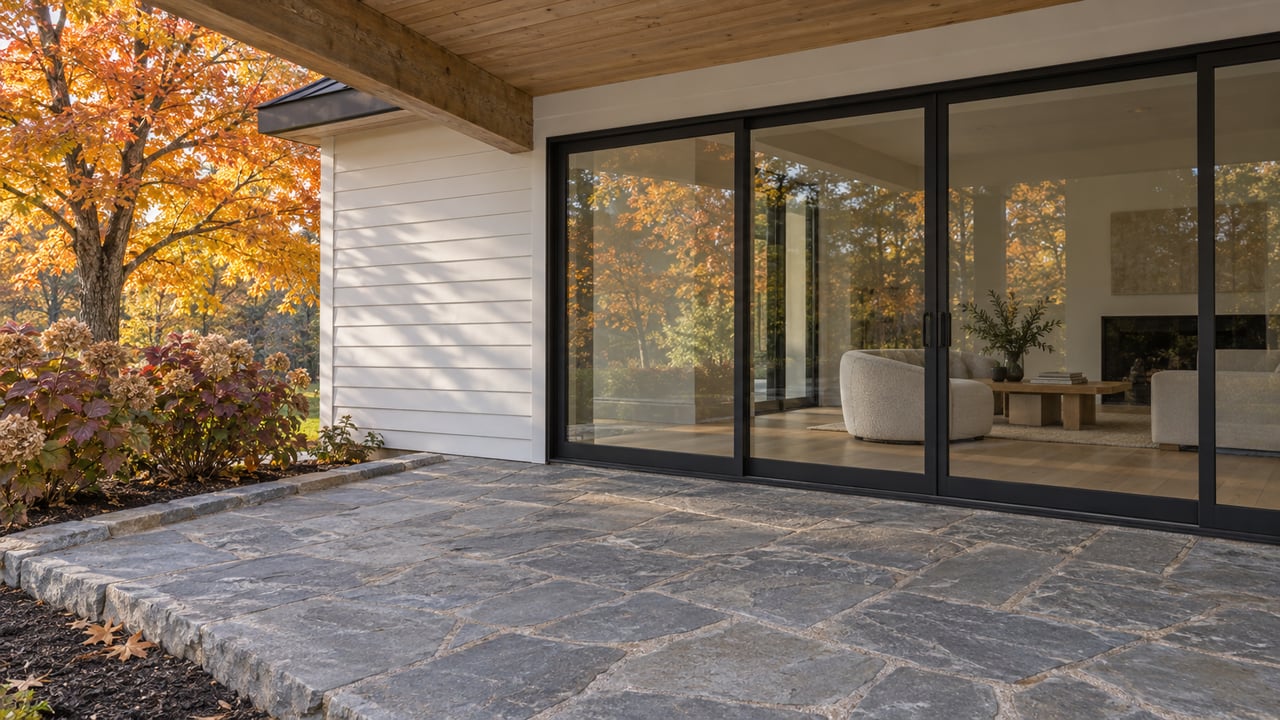
As you move away from the core, the lifestyle changes. Detached homes on nearby residential streets may still offer access to the Center, but walking often shifts from being your main mode for daily errands to more of a bonus feature.
Best areas to focus on
For practical purposes, buyers who want walkable West Hartford living should focus on Blue Back Square, West Hartford Center, and the blocks immediately around Farmington Avenue, South Main Street, LaSalle Road, and Isham Road. Those locations put you closest to the highest concentration of shops, dining, events, services, and public spaces.
The town also notes that ZIP code 06107 generally covers the Center area and the territory west of Trout Brook Drive. While ZIP code alone is not enough to choose a home, it can help you orient your search when you first start looking at listings.
The key is to match your expectations to the exact location. In West Hartford, even a short difference in distance from the core can change how often you choose to walk instead of drive.
How to decide if walkable living fits you
The best walkable home is not always the one closest to the most businesses. It is the one that matches how you actually live.
If you want to walk to coffee shops, restaurants, library visits, seasonal events, and some errands, the Center and Blue Back Square area may be a strong fit. If you want a detached home with more space but still hope to enjoy occasional walks into town, the surrounding residential streets may offer a good balance.
When buyers relocate to West Hartford, this is often where local guidance matters most. A map can show distance, but it cannot fully show how a route feels, how connected the streets are, or how the day-to-day rhythm changes from one block to the next.
A thoughtful home search should look at both the property and the lifestyle around it. In a town like West Hartford, that approach can make all the difference.
If you are exploring West Hartford and want help finding the right balance of walkability, home style, and neighborhood feel, Laurie Kane can help you navigate the options with local insight and attentive buyer advocacy.
FAQs
What area is most walkable in West Hartford?
- The most walkable area is generally West Hartford Center and adjacent Blue Back Square, especially near Farmington Avenue, South Main Street, LaSalle Road, and Isham Road.
Can you live in West Hartford without driving every day?
- Yes, in or near the Center, some households can manage a car-light lifestyle thanks to shops, dining, events, library access, bus service, and concentrated amenities.
What types of homes are near Blue Back Square?
- The closest housing near Blue Back Square includes mixed-use residential options such as apartments and loft apartments, along with other attached housing and nearby condos.
Is West Hartford Center connected to Hartford by public transit?
- Yes, CTtransit Route 60 serves West Hartford Center and connects the corridor to downtown Hartford, and CTfastrak also provides direct service to West Hartford and Hartford.
Are there trails or parks near walkable West Hartford neighborhoods?
- Yes, West Hartford offers outdoor options including the Trout Brook Trail and parks such as Elizabeth Park, Fernridge Park, Spicebush Swamp Park, and Wolcott Park.
How is West Hartford improving pedestrian access?
- The town is rebuilding the Center streetscape with wider sidewalks, raised crosswalks, decorative lighting, and related pedestrian upgrades, with completion currently projected for November 20, 2026.