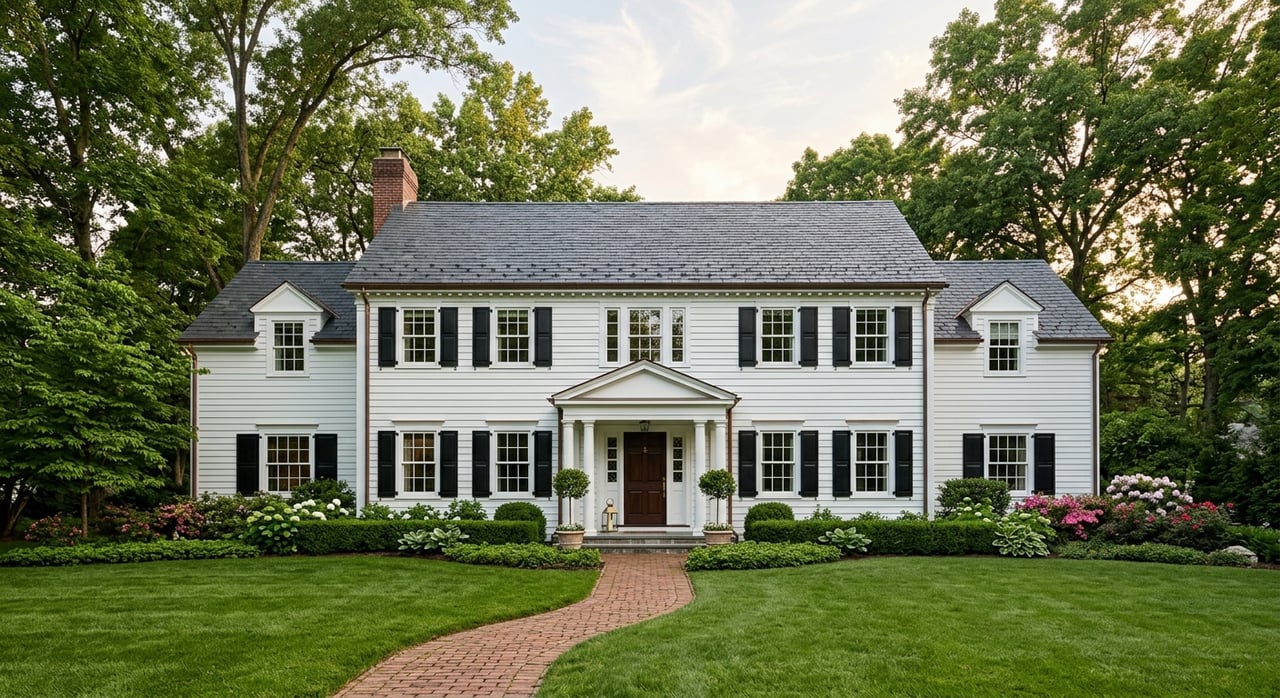
If you are trying to understand Avon, CT, one of the smartest ways to do it is to look at the homes. Architecture tells you how a place grew, what it values, and how different parts of town feel from one another. In Avon, that story includes historic village buildings, classic New England homes, wooded subdivisions, and estate properties with sweeping views. If you want to know which areas feel most historic, most private, or most design-forward, this guide will help you read Avon through its built landscape. Let’s dive in.
Avon’s Architecture Starts With Setting
Avon is a compact suburban town about 10 miles west of Hartford, with an estimated 19,106 residents in 2024 and a strong owner-occupied housing base at 85.4% according to town and district sources. That owner-focused profile helps explain why so much of Avon feels stable, established, and carefully maintained.
The natural setting matters just as much as the homes themselves. Avon’s Plan of Conservation and Development notes that 2,604 acres are permanently protected as open space, with even more protected through conservation restrictions. When you drive through town, that open land shapes the experience of neighborhoods, roads, and home sites.
That is why Avon does not read as one single architectural style. Instead, it feels layered. You see historic resources, traditional New England forms, and newer homes that bring in modern farmhouse and contemporary influences.
Avon’s Architectural DNA
Avon Center is not the classic green-centered New England town many buyers expect. The town’s village-center regulations describe it as a historical composite of development, with rules designed to preserve historic character while still allowing flexible, pedestrian-friendly growth.
That mix is a big part of Avon’s appeal. The town’s historic resources survey inventoried more than 175 properties, including homes, churches, schoolhouses, farm complexes, bridges, and company housing. Notable resources include Avon Old Farms School, West Avon Congregational Church, the District No. 3 School, the Woodford Tobacco Farm, and the Pine Grove School Historic District.
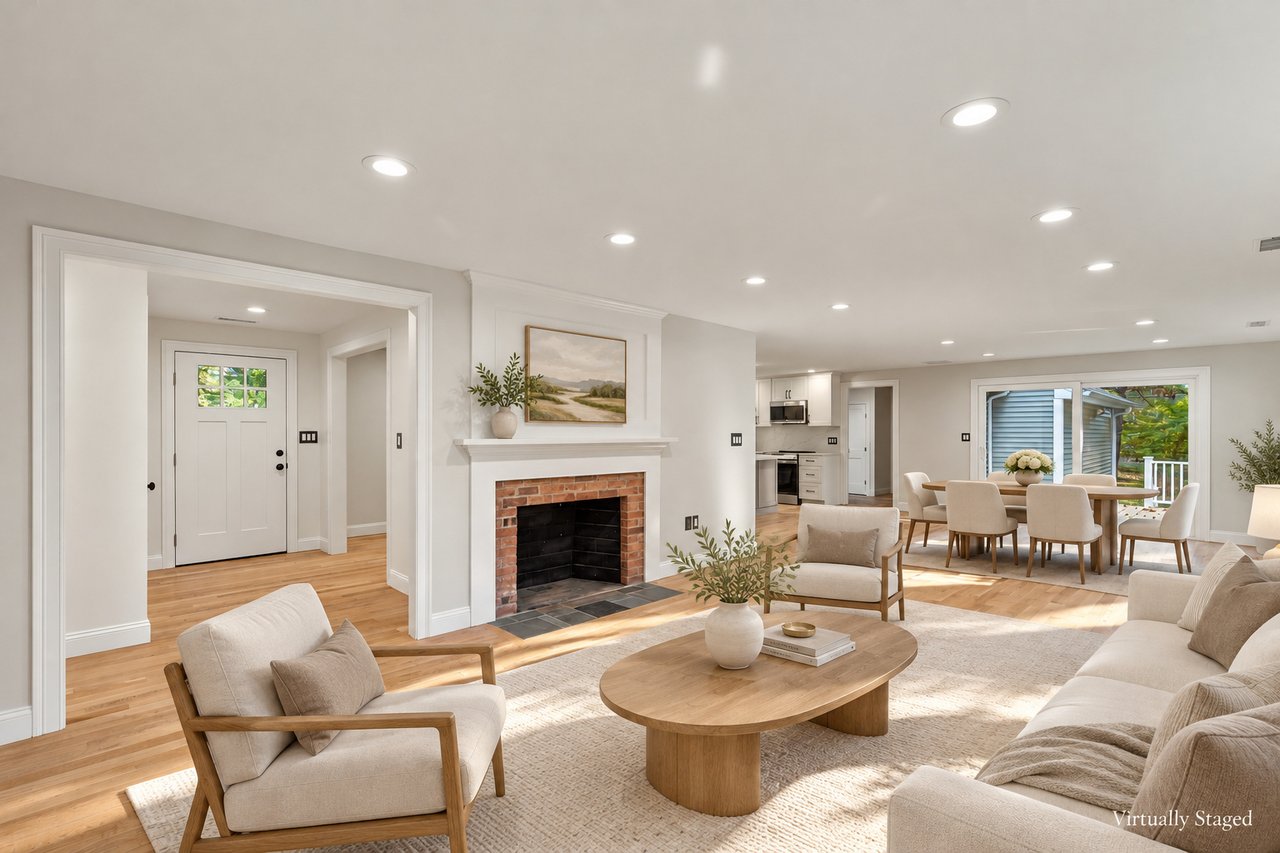
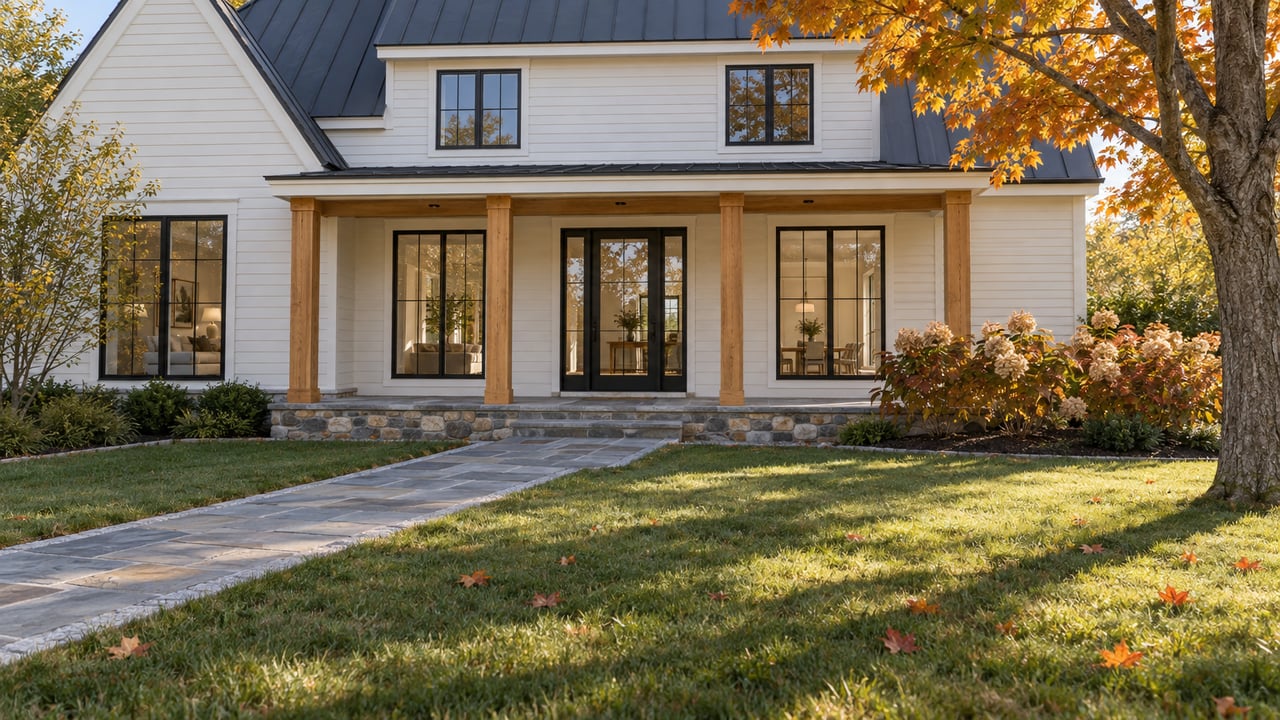
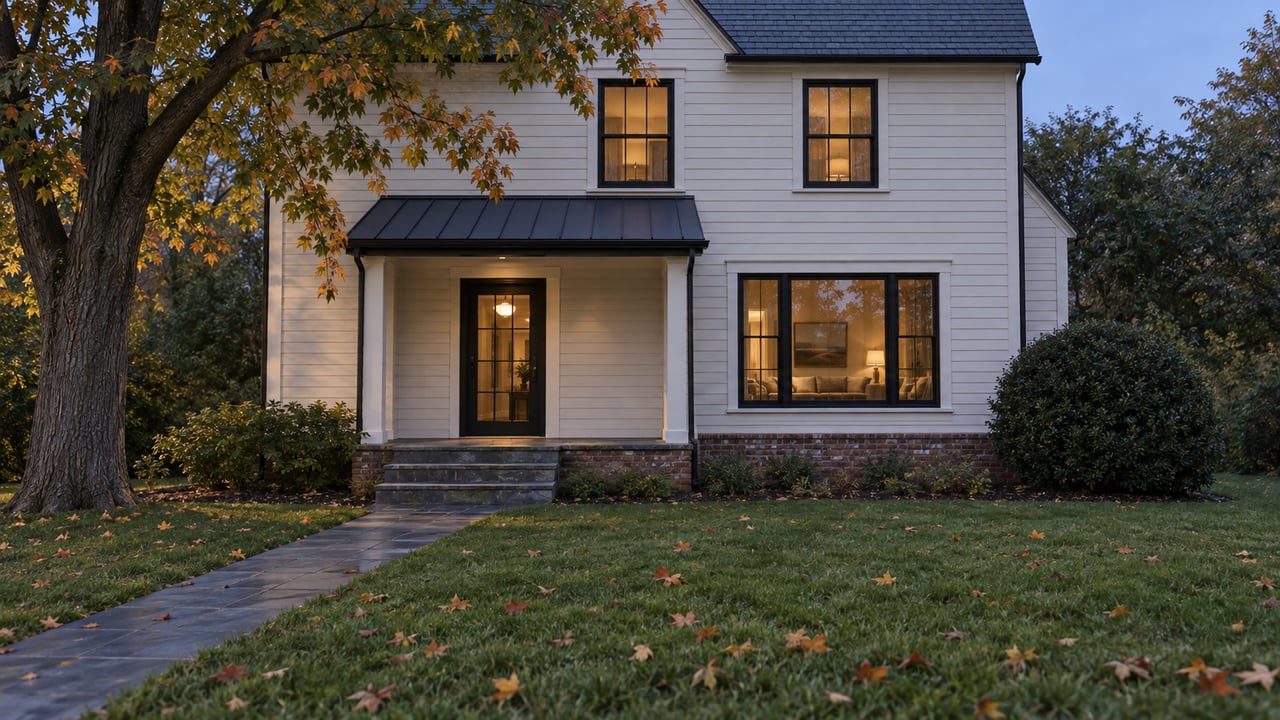
In everyday terms, Avon often reads as traditional New England first, newer design second. You are likely to notice Colonial-era homes, farmhouses, and vernacular residential forms, with newer construction adding cleaner lines, larger windows, and updated interior layouts. That blend gives buyers options without making the town feel disconnected from its roots.
Avon Center Feels Historic-Meets-New
If you want the most design-forward and mixed-use part of Avon, start with the village core. The village-center guidelines point to a mix of periods and styles, especially along West Main Street between Ensign Drive and Woodford Avenue.
This area is where Avon feels most layered. Historic buildings sit within a more civic, visible, and somewhat more compact setting than the surrounding residential pockets. For buyers who like character but do not want a purely rural feel, Avon Center often offers the clearest example of old and new living side by side.
Architecturally, this part of town is less about one dominant house type and more about context. Streetscapes, older civic buildings, and design review standards all help create a sense of continuity even as development evolves.
West Avon Feels Older and More Rural
West Avon and the Old Farms Road corridor present a different side of town. Based on Avon’s historic planning documents, this area is closely tied to historic farmsteads, churches, schoolhouses, and the Pine Grove School Historic District.
That makes West Avon feel more rooted in Avon’s earlier landscape. You can think of it as one of the strongest places to look for a quieter, more established New England character. The architecture here tends to feel tied to the land, with homes and historic structures that reflect the town’s agricultural and institutional past.
For buyers, this area often appeals less because of trend-driven style and more because of atmosphere. It is the part of Avon that can feel most timeless.
Wooded Subdivisions Prioritize Privacy
Avon also has a strong suburban side, especially in residential pockets shown on the town street map such as Secret Lake, Weatherstone, Rivermead, Hunters Run, Whispering Pines, Fox Hollow, and Avon Park South. These are best understood as descriptive clusters rather than official neighborhood borders, based on the town street map.
These areas often read as wooded, cul-de-sac-oriented neighborhoods where privacy matters more than walkability. Avon’s one- to two-acre residential zoning pattern and its broader open-space emphasis support that impression.
From an architectural lens, these neighborhoods are usually more about site design and setting than historic identity. The homes may vary in age and style, but the common thread is single-family scale, tree cover, and a more tucked-away residential feel.
Avon Mountain Brings Views and Estate Scale
If you are looking for Avon’s most scenic and elevated setting, Avon Mountain stands out. Town history highlights the MacDonald Memorial on Avon Mountain Road, and the open-space plan notes that a segment of the National Scenic Trail runs through Avon Mountain.
This part of town is the strongest example of Avon’s luxury edge. The architectural story here is less about village character and more about privacy, land, and view premiums. Homes in the Avon Mountain, Montevideo, and Nod Road areas are where buyers are most likely to associate architecture with estate scale and a dramatic natural backdrop.
In practical terms, this is often where setting has the biggest influence on price. In Avon, the upper end of the market is shaped not just by square footage or finishes, but by acreage, elevation, and the kind of outlook a property offers.
River and Greenway Areas Feel Nature-Forward
Some buyers care most about access to trails, fields, and passive recreation. For them, Avon’s areas near the Farmington River, Fisher Meadows, Buckingham Fields, and the Farmington Valley Greenway can be especially compelling.
According to the town’s open-space and recreation planning materials, these assets are part of a connected network of trails, river corridors, and recreation areas. That gives certain parts of Avon a more nature-forward identity.
Architecturally, these zones are not defined by one style. Instead, the draw is how homes relate to the surrounding landscape. If your ideal setting includes trail access, open views, or a stronger connection to outdoor recreation, these parts of town deserve a closer look.
What Home Styles Dominate Avon?
The short answer is that Avon does not have one single dominant style, but it does have a clear overall character. Based on the town’s historic inventory, Avon is best understood as a place where traditional New England architecture sets the tone.
That means you are likely to encounter:
- Colonial-era houses and Colonial-inspired homes
- Farmhouses and former farm-related properties
- Other vernacular residential forms tied to the town’s earlier growth
- Newer homes with modern farmhouse elements
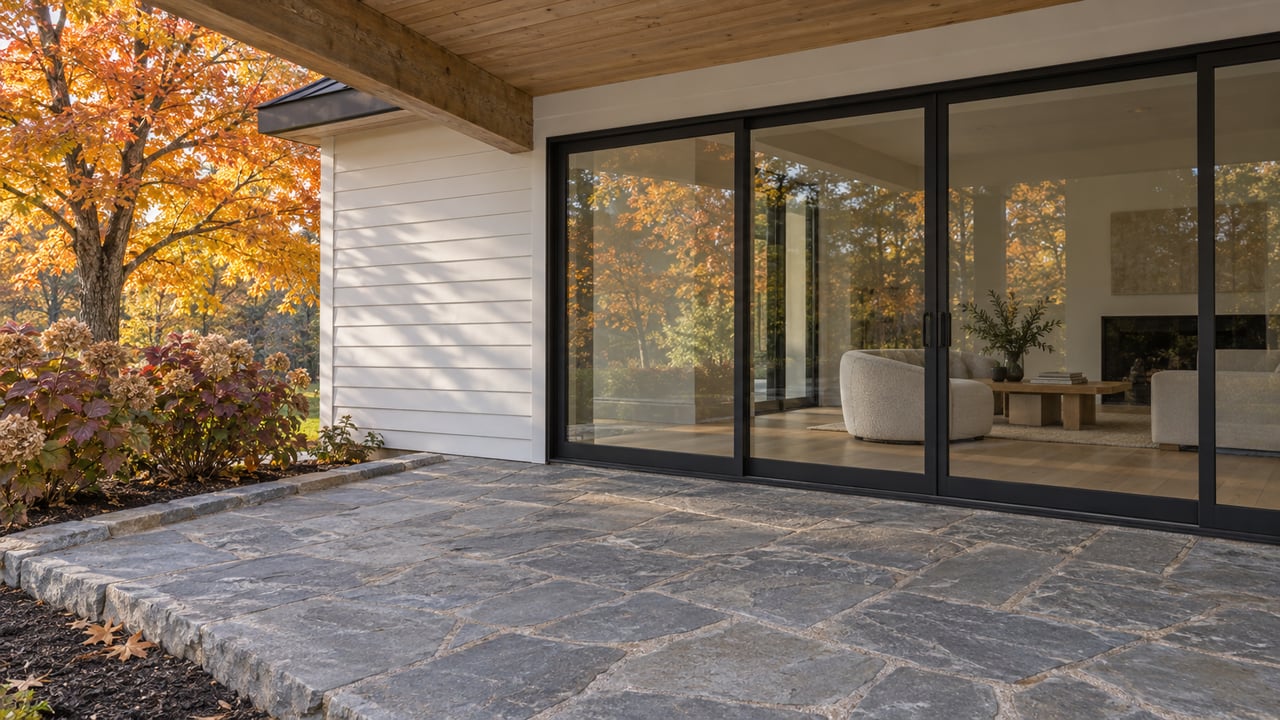
- Contemporary builds layered into established residential settings
This mix works well for buyers because it offers variety without losing a sense of place. Even newer homes often feel connected to Avon’s broader landscape and architectural language.
How Price Connects to Style and Setting
Avon sits in the upper-middle to luxury edge of the Hartford suburban market. As of February 2026, Realtor.com’s Avon market overview classified the town as a seller’s market, with a median listing price of $524,450, a median 33 days on market, and a 99% sale-to-list ratio. Zillow’s home value index placed the average Avon home value at $565,978 as of March 31, 2026, which is best read alongside other data points as part of a pricing band rather than one exact number.
The key takeaway is that style matters, but setting often matters more. In Avon, price can rise based on:
- Lot size
- Privacy
- Open-space adjacency
- Mountain or long-range views
- Level of renovation or design finish
- Estate scale
That is helpful if you are comparing one part of town to another. A classic Colonial in a desirable setting may command more than a newer home on a less distinctive site. Likewise, homes on Avon Mountain or on larger private parcels can move well beyond typical town pricing.
Schools and Open Space Shape Demand
For many buyers, Avon’s appeal is not only about architecture. It is about how the homes connect to daily life. Avon Public Schools says the town is 10 miles west of Hartford and notes that its schools are among the highest-scoring in the state.
It is best to think of that as part of the town’s broader lifestyle story rather than a reason to favor one neighborhood over another. The same is true of open space. Avon’s protected land, trails, and river corridors help shape buyer demand across the town, especially for those who value recreation, scenery, and room to breathe.
Together, these factors support Avon’s strong market position and its reputation as a place where architecture, landscape, and day-to-day livability all intersect.
How to Read Avon Like a Local Buyer
If you are touring homes in Avon, it helps to look past square footage and finishes alone. Instead, try asking a few bigger-picture questions as you compare areas.
Ask What Kind of Setting You Want
Do you want a more historic streetscape, a wooded subdivision, a village-adjacent location, or an elevated estate setting? In Avon, those choices often shape your experience more than style labels do.
Notice How the Home Sits on the Land
A home in Avon may feel different because of its lot, tree cover, views, or relationship to open space. Architecture here is often inseparable from site design.
Compare Character, Not Just Age
An older home is not automatically more charming, and a newer home is not automatically more functional. Avon offers examples of both traditional and newer homes that can work beautifully, depending on what matters most to you.
Think About Long-Term Fit
Some buyers want convenience and a more connected village feel. Others want privacy, cul-de-sacs, or estate-scale land. Knowing which environment fits your lifestyle can narrow your search much faster.
Why Architectural Perspective Matters
Looking at Avon through an architectural lens helps you move beyond generic neighborhood labels. It gives you a more practical way to understand where the town feels historic, where it feels private, and where homes draw value from views, open space, or scale.
That kind of perspective is especially useful in a market like Avon, where the story is not just about price. It is about presentation, setting, and the subtle differences that make one property or location feel right for you.
If you are planning a move in Avon or anywhere in the Farmington Valley, working with a local expert who understands both design and market context can make the process much clearer. When you are ready to talk through neighborhoods, home styles, or your next move, connect with Laurie Kane.
FAQs
What architectural styles are most common in Avon, CT?
- Avon is best understood as a mix of traditional New England homes, including Colonial-era houses, farmhouses, and vernacular forms, with newer modern farmhouse and contemporary homes layered in.
Which Avon areas feel the most historic?
- Avon Center and the West Avon and Old Farms Road corridor are the strongest areas for historic character, based on the town’s village-center regulations and historic resources survey.
Which Avon neighborhoods feel the most private?
- Wooded residential clusters such as Secret Lake, Weatherstone, Rivermead, Hunters Run, Whispering Pines, Fox Hollow, and Avon Park South generally read as more private, single-family suburban settings.
Where do buyers find estate homes in Avon?
- Avon Mountain, Montevideo, and nearby elevated areas are the clearest places to look for estate-scale homes, scenic settings, and view-driven pricing.
How does open space affect Avon home appeal?
- Avon’s large amount of protected open space, connected trails, river corridors, and greenway access can increase the appeal of certain locations for buyers who value scenery and recreation.
What is the Avon, CT housing market like right now?
- Based on the February 2026 market snapshot in the research, Avon was a seller’s market with a median listing price of $524,450, median 33 days on market, and a 99% sale-to-list ratio.