Blueprint Monday | Vol. 19
Planning to Sell? Prioritize the Improvements Buyers Value Most
Homeowners often begin preparing to sell by asking:
What should I update before putting my home on the market?
A better question is:
Which improvements are today’s buyers most likely to value enough to pay for?
The most effective home-selling strategy begins with planning, understanding buyer expectations, and prioritizing the updates most likely to strengthen presentation, reduce objections, and protect your return on investment.
Think Before You Renovate
When selling is still months away, it can be tempting to begin with a kitchen, bathroom, or another visible project.
But renovating without a clear strategy can lead to overspending, unnecessary delays, or design choices that reflect personal taste more than buyer demand.
Before recommending improvements, I consider:
- The home’s price point and location
- Its current condition
- Competing homes on the market
- Buyer expectations in the neighborhood
- Features that may create hesitation
- The likely cost and potential return of each project
- The seller’s timeline, budget, and goals
A renovation that makes sense for a luxury home in Avon may not be the right investment for a property in West Hartford, Simsbury, Farmington, Canton, or Burlington.
Preparation should always be tailored to the home.
Start With What Buyers Notice First
Most sellers do not need to change everything. They need to identify what will have the greatest influence on the buyer’s experience.
Address Condition and Deferred Maintenance
Visible repairs can cause buyers to wonder what else may have been overlooked.
Peeling paint, worn flooring, water stains, broken fixtures, damaged carpeting, and neglected exterior maintenance can create uncertainty before buyers fully appreciate the home.
Correcting obvious concerns can strengthen buyer confidence and help prevent manageable issues from becoming larger objections.
Create a Clean, Cohesive Presentation
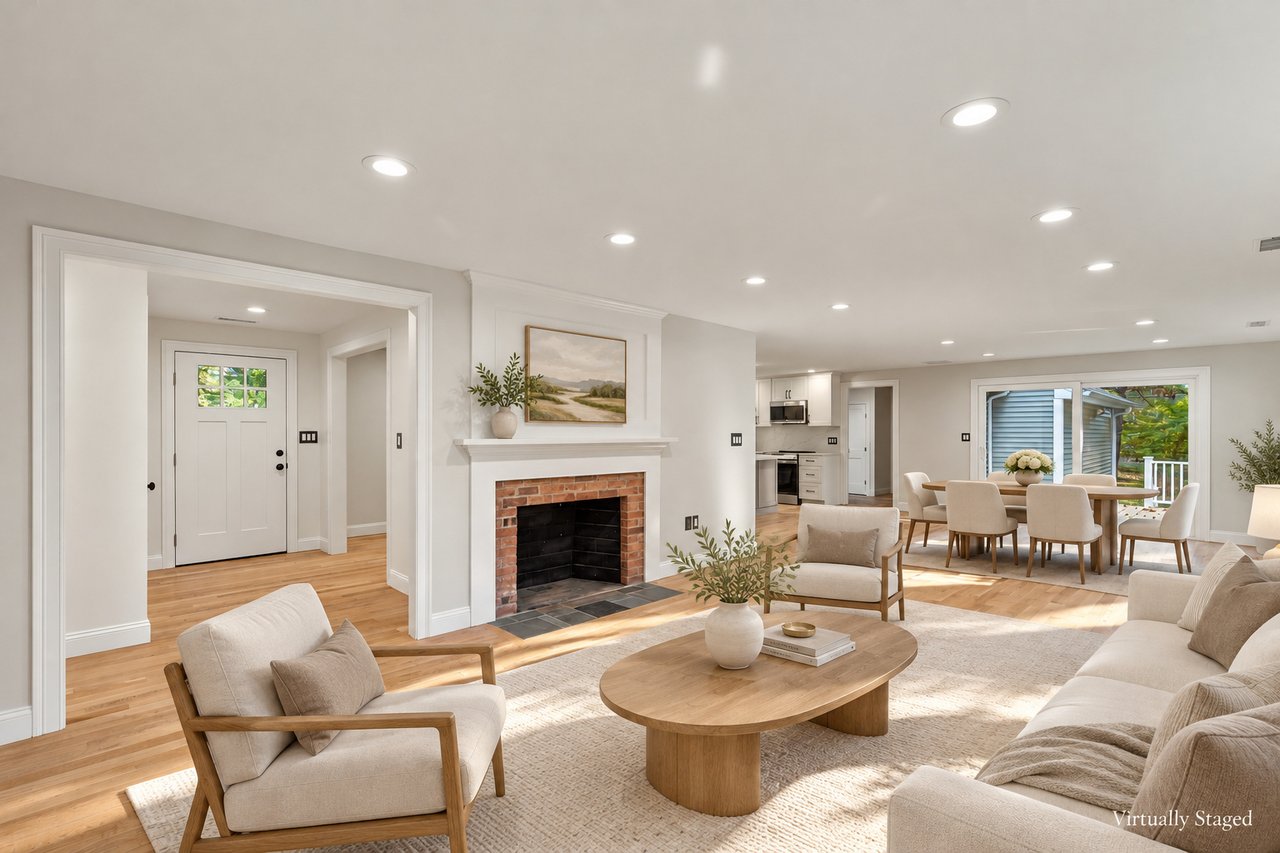
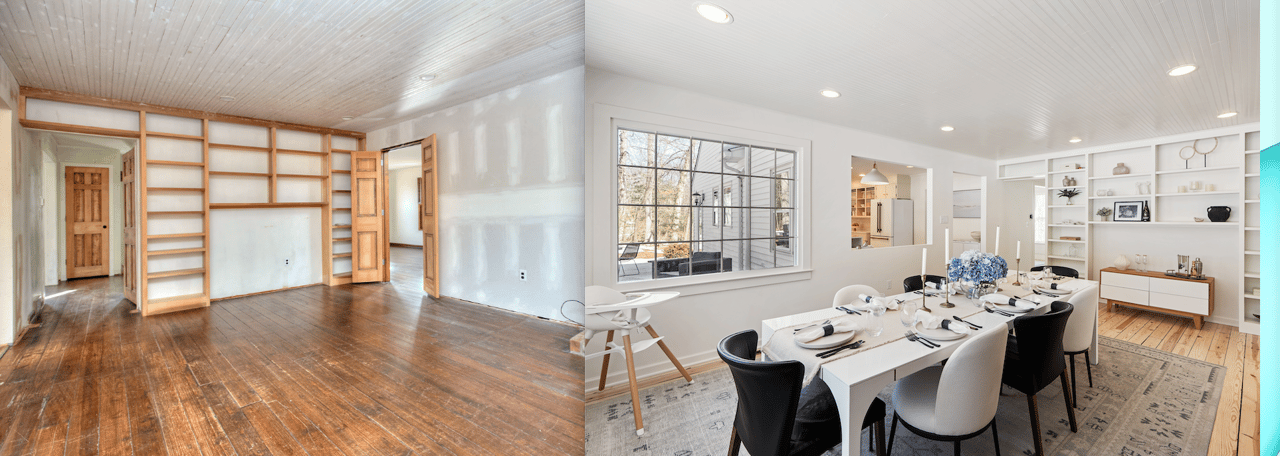
Fresh paint, improved lighting, refinished hardwood floors, updated hardware, thoughtful furniture placement, and professional staging can transform the way buyers experience a home without requiring a major renovation.
These improvements help buyers focus on the property rather than the projects.
Prioritize Kitchens and Bathrooms Carefully
Kitchens and bathrooms strongly influence buyer perception, but a complete renovation is not always necessary.
Sometimes the better investment may be painting cabinetry, replacing lighting, updating hardware, refreshing countertops, repairing grout, or improving the overall presentation.
The decision should be based on what buyers expect at the home’s anticipated price point, not on a generic renovation checklist.
Do Not Overlook Curb Appeal
Buyers begin forming an opinion before they enter the home.
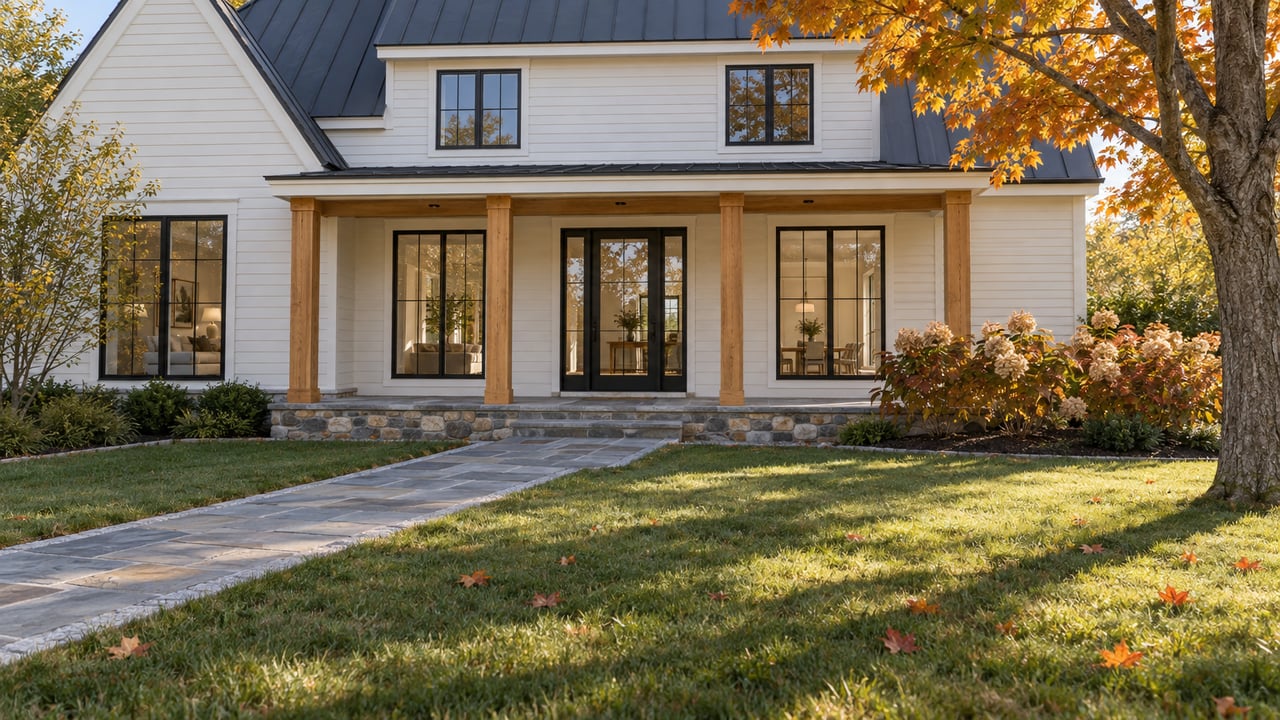
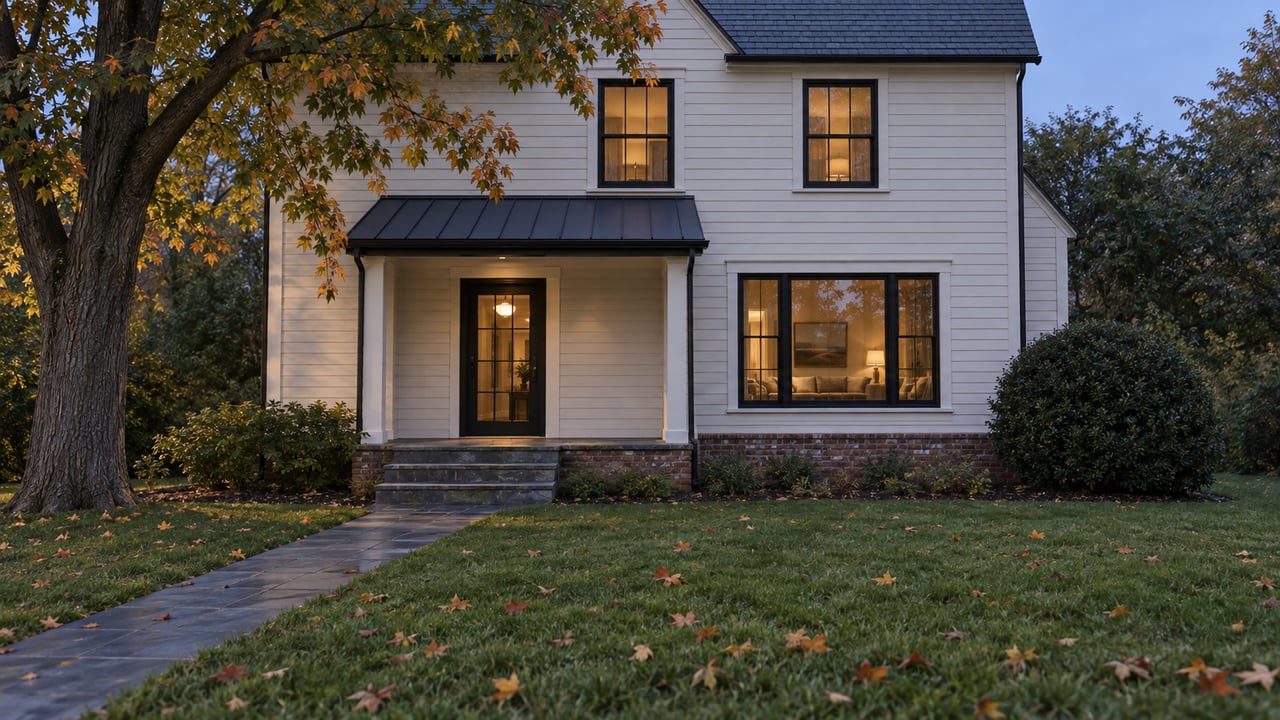
Landscaping, exterior maintenance, the front entrance, walkways, lighting, and curb appeal all contribute to the first impression. Small exterior improvements can often produce a meaningful visual return.
Plan Early Enough to Make Better Decisions
Thinking ahead does not mean living through endless renovations.
It means giving yourself enough time to compare options, obtain estimates, schedule reliable professionals, and decide which projects are truly worthwhile.
When sellers wait until the last moment, they may feel pressured to accept higher contractor estimates, make rushed design decisions, or abandon improvements that could have strengthened the final presentation.
Early planning creates choices.
It also allows the preparation process to reflect the seller’s comfort level, timeline, and financial goals.
My role is not to encourage unnecessary work. It is to provide thoughtful advice, explain the potential benefits and limitations of each option, and help sellers prioritize their investment with patience and care.
My clients’ bottom line matters.
The Goal Is Not Perfection
A home does not need to be completely renovated to sell successfully.
Some properties benefit from strategic cosmetic improvements. Others are better positioned around their character, location, floor plan, or future potential.
The goal is to determine:
What should be repaired?
What should be refreshed?
What should remain as it is?
What will buyers notice most?
Where is the seller most likely to see a meaningful return?
That is where local market knowledge, buyer psychology, and a customized listing strategy become essential.
A Smarter Way to Prepare Your Home for Sale
For homeowners considering selling in Avon, West Hartford, Simsbury, Farmington, Canton, Burlington, or elsewhere in Hartford County, the best time to develop a preparation plan is before committing to major improvements.
A customized strategy can help you avoid spending in the wrong places while focusing your resources on the updates most likely to strengthen marketability and maximize your home’s value.
Preparation is not about doing more.
It is about making better decisions.
Frequently Asked Questions
Which home improvements add the most value before selling?
The most effective improvements depend on the property, price point, condition, neighborhood, and buyer expectations. Paint, flooring, lighting, repairs, curb appeal, staging, and selective kitchen or bathroom updates often deserve consideration.
Should I renovate my kitchen before selling?
Not always. A full kitchen renovation may not provide the strongest return if smaller updates can improve the room’s appearance and buyer appeal. The decision should be based on local market expectations and the home’s overall condition.
How far in advance should I prepare my home for sale?
Starting several months before listing can provide time to evaluate recommendations, obtain estimates, schedule contractors, and make decisions without unnecessary pressure.
How can a listing agent help before I am ready to sell?
An experienced listing agent can evaluate the home through a buyer’s perspective, identify potential objections, recommend strategic improvements, and help determine which investments may support the strongest return.
Laurie Kane’s Seller Blueprint
Preparation Creates Leverage.
Strategy Creates Opportunity.
Sell for More. Not Just Faster.