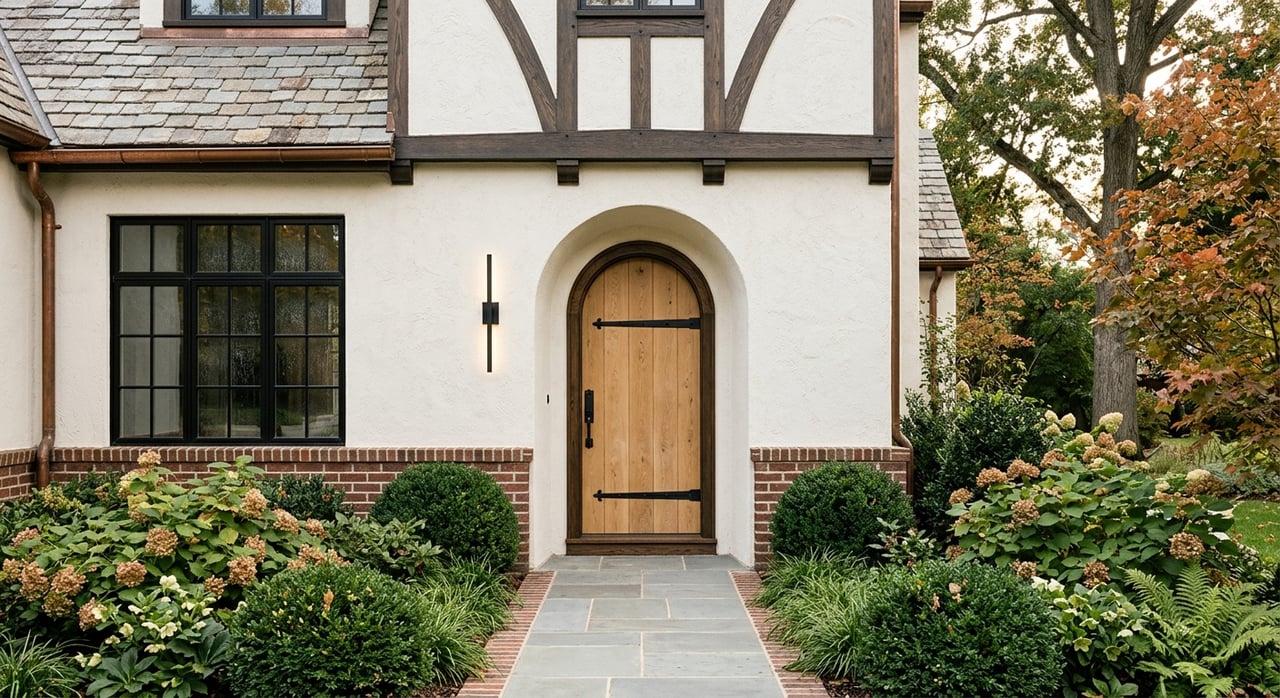
Are you drawn to a home with original character, detailed trim, and a story to tell, or would you rather have a simpler layout and fewer near-term projects? In West Hartford, that choice matters because the housing stock leans older, detached, and relatively tight, which can shape what you see and how you compare your options. If you are weighing historic charm against modern ease, this guide will help you understand the home styles, tradeoffs, and local due diligence points that matter most. Let’s dive in.
Why West Hartford Feels Distinct
West Hartford has a built environment that reflects both early history and later suburban growth. The town reports that much of its housing stock is single-family and owner-occupied, with a large share of homes offering three or more bedrooms.
That older housing pattern is especially important for buyers. According to the town’s 2024-2025 Affordable Housing Plan, only 20.2% of the housing stock was built between 1970 and 2020, while thousands of units were built in 1939 or earlier. For you, that often means more choices with character and fewer choices that feel brand-new.
Inventory expectations also matter. The same town plan notes a 1.3% owner-vacancy rate, which points to a relatively tight market for for-sale homes. If you want a newer detached home with low maintenance, you may be searching in a smaller pool than buyers open to older homes or attached options.
Historic Charm in West Hartford
West Hartford’s historic identity is not just a marketing phrase. The town’s Historic District Commission oversees three local historic districts, along with eight individual historic farmhouses, and the town highlights a wide range of historic sites that reflect its colonial roots and early planned growth.
For buyers, that creates a sense of place that is hard to replicate. West Hartford Center is described by the town as a traditional main-street district with shopping, dining, and strolling, and the historic core often appeals to people who want character and a more established feel.
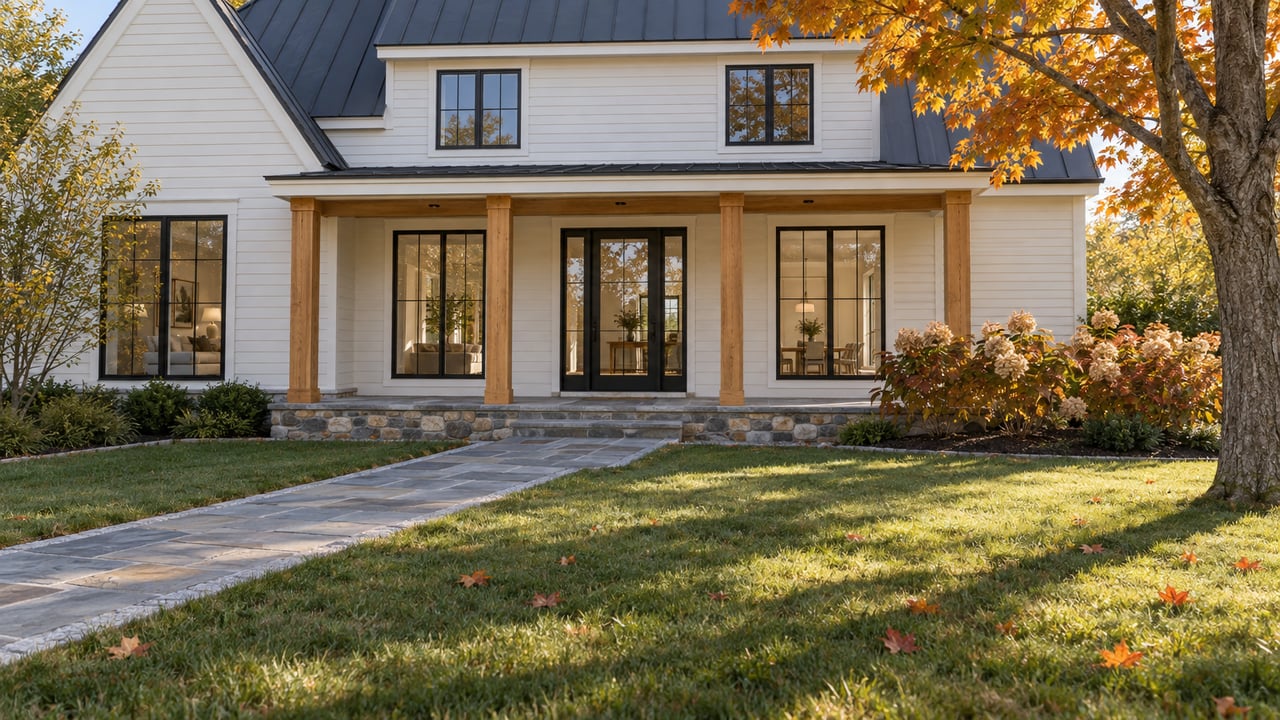
Historic homes can offer details that many buyers love at first sight. You may find symmetry, formal entries, steep rooflines, prominent chimneys, or architect-designed features that give a home a strong identity. These homes often stand out visually, which can be a real advantage if you value design and long-term charm.
Colonial Revival Style
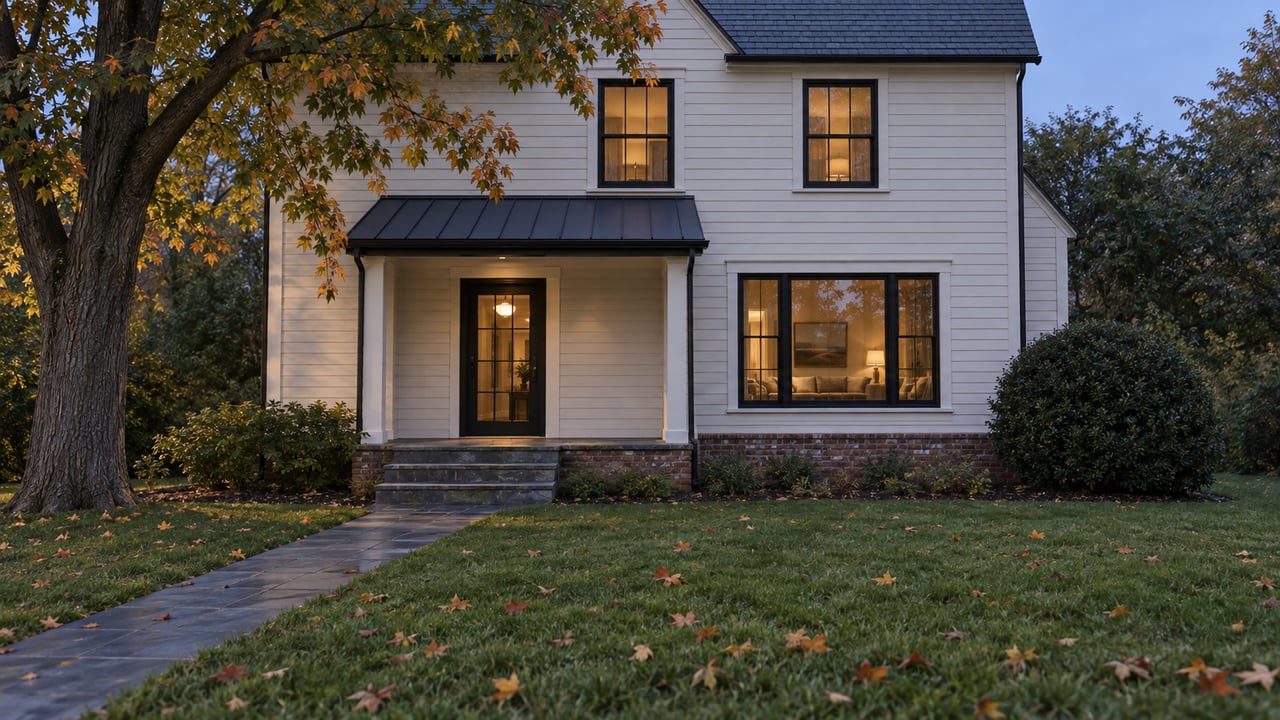
Colonial Revival is one of the most recognizable historic styles in the area. The National Park Service describes it as a style inspired by the colonial era, often featuring symmetry, front entrances and porches, columns or pilasters, and decorative window details.
In West Hartford, this style is part of the local architectural story, especially in areas with early twentieth-century homes. If you love a classic facade, defined rooms, and a traditional layout, Colonial Revival homes may feel especially appealing.
That said, older layouts can be more compartmentalized than what many buyers expect today. If you want a large open kitchen or a seamless flow between spaces, you may need to look for a home that has already been updated or plan for future improvements.
Tudor Revival Style
Tudor Revival homes bring a different kind of character. The National Park Service describes them as more irregular in form, with steeply pitched roofs, front-facing gables, masonry or stucco surfaces, tall narrow windows, and prominent chimneys.
These homes often make a strong first impression. If you are drawn to dramatic rooflines and distinctive craftsmanship, Tudor homes can feel special in a way that newer homes sometimes do not.
The tradeoff is usually maintenance. More exterior detailing and complex rooflines can mean more components to monitor over time, especially around roofing, trim, masonry, and windows. If you love the look, it is smart to pair that excitement with a realistic upkeep budget.
Modern Ease in West Hartford
If your priority is convenience, simpler circulation, or fewer immediate projects, West Hartford still offers options. You just need to know that newer housing is less common in the local mix.
The town’s Affordable Housing Plan reports that only 295 units were built in 2014 or later. It also notes that since 2012, about 47% of new housing construction has been multi-family, which means newer homes are often more likely to be attached or part of a multi-family development than a newly built detached house.
For buyers who want turnkey living, this is an important expectation-setting point. You may need to broaden your search to include updated older homes, condos, or attached properties if your goal is lower maintenance and fewer renovation decisions.
Ranch and Mid-Century Homes
Ranch homes often sit in the middle ground between old-house character and modern function. The National Park Service describes the ranch house as a one-story, long and low form with overhanging eaves, and many 1950s ranches emphasized casual living, eat-in kitchens, built-ins, and large windows.
In practical terms, ranches can work well if you want one-floor living, fewer stairs, and a layout that may feel easier to update than a more formal older home. They often offer straightforward circulation, which many buyers appreciate for everyday comfort.
If you want “modern ease” without chasing rare new construction, a well-updated ranch may be one of the most useful categories to explore in West Hartford. It can give you simpler living with a neighborhood setting that still feels established.
Newer and Attached Homes
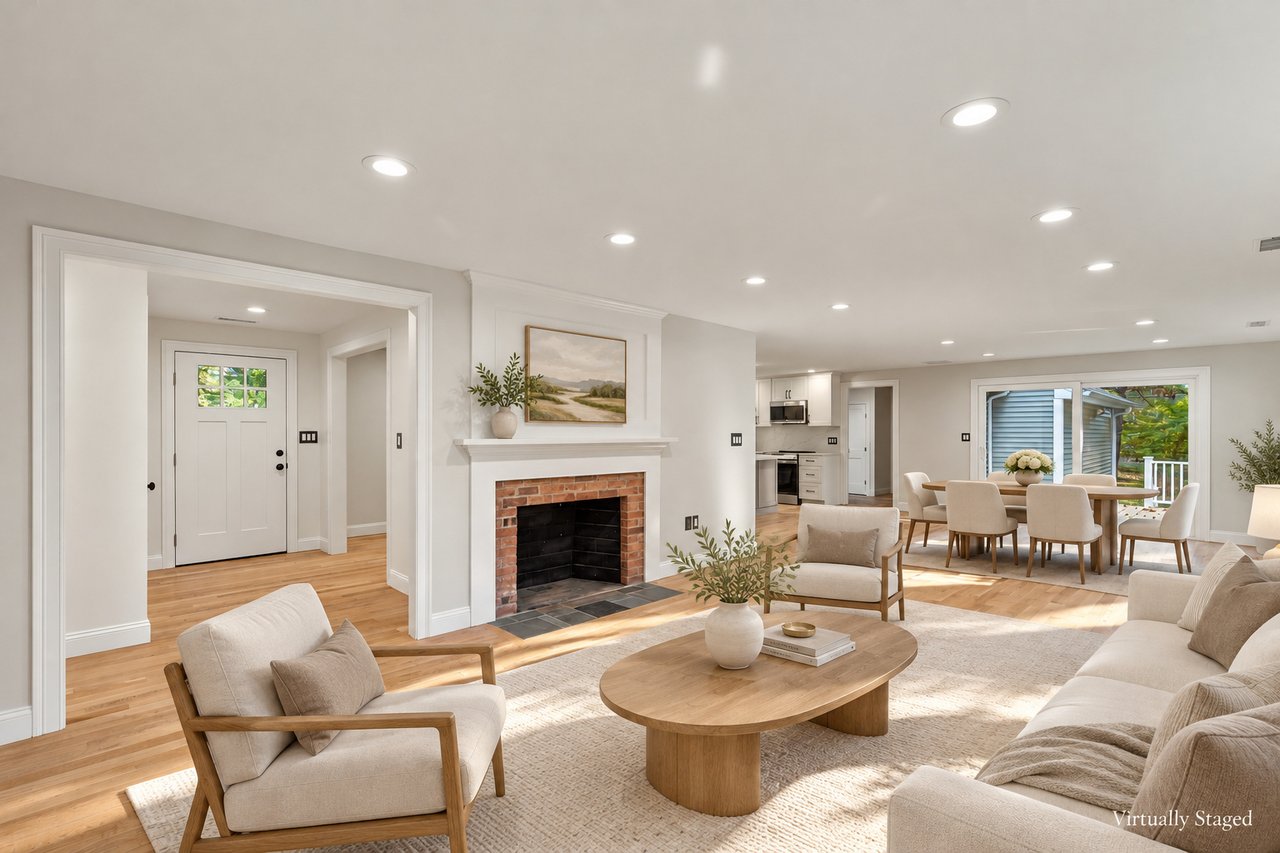
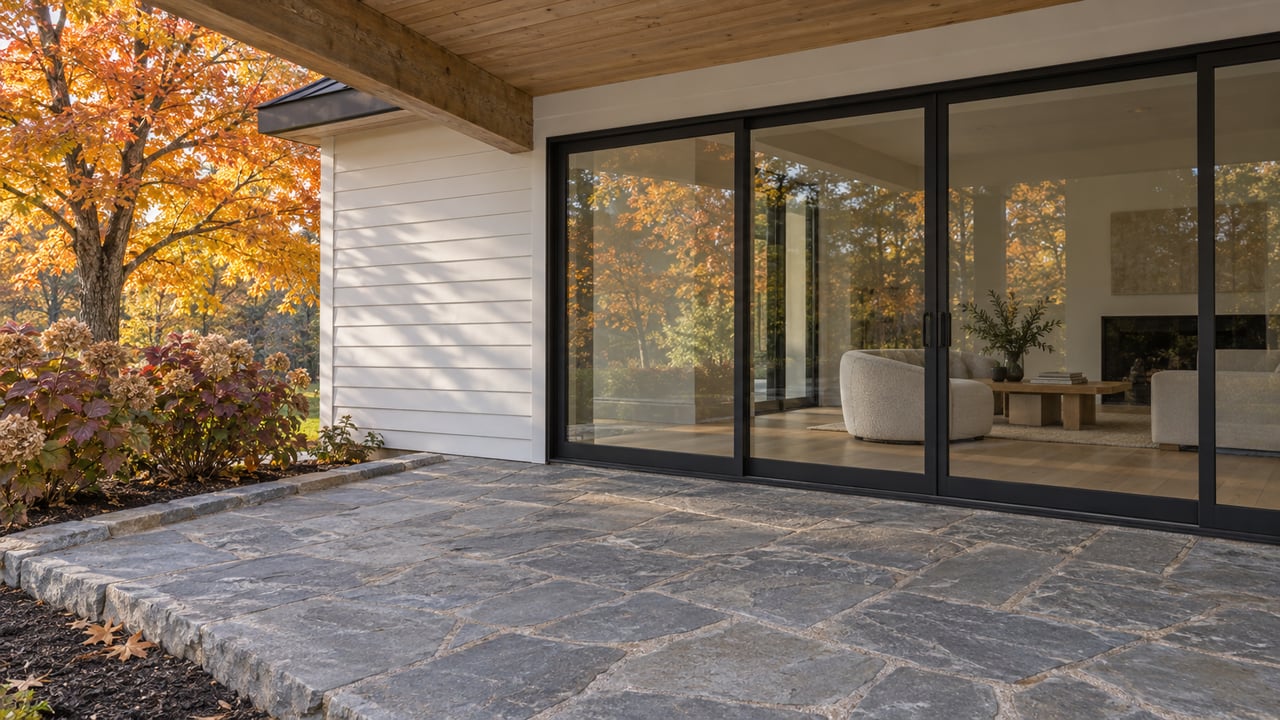
Newer homes in West Hartford can appeal to buyers who want less near-term project risk. You may find more current finishes, more open layouts, and fewer immediate system concerns compared with an older property.
Still, the supply is limited, and much of the newer construction has leaned multi-family. That means you may see more attached or multi-family options than large detached new builds. If low maintenance matters more to you than a specific architectural style, this can be a worthwhile path to consider.
Key Tradeoffs to Weigh
When you compare historic charm with modern ease, the decision often comes down to how you want to live and what kind of projects you are willing to take on. Neither path is automatically better. The right fit depends on your priorities, timeline, and comfort with updates.
Here is a simple way to think about it:
- Historic homes may offer stronger architectural character, more established surroundings, and details that feel unique.
- Ranch and updated older homes may offer easier daily living, simpler layouts, and more manageable renovation paths.
- Newer or attached homes may offer lower maintenance and less immediate project risk, but they are a smaller share of the local market.
If you are unsure, focus less on the label and more on the lived experience. Ask yourself how much work you want to do in the first year, how important layout is to your routine, and whether you want a home that feels move-in ready or one with room to personalize.
Older-Home Due Diligence Matters
In West Hartford, due diligence is especially important because so much of the housing stock is older. A beautiful facade can tell only part of the story, so it helps to look deeper before you commit.
For pre-1978 homes, lead should be on your radar. The EPA states that homes built before 1978 are more likely to contain lead-based paint, and Connecticut DPH says lead inspections in Connecticut must be performed by certified professionals, not standard home inspectors unless they also hold the required certification.
Radon is another practical item to test for. Connecticut DPH recommends radon testing statewide and notes that radon tests are often part of real estate transactions. Whether the home is historic, mid-century, or newer, this is a sensible step in your due diligence process.
Permits also matter. West Hartford’s Building Department requires permits for many types of work, including structural, HVAC, electrical, and plumbing changes, so it is worth confirming what was updated and whether the work was properly permitted and inspected.
Historic District Rules
If a home is in one of West Hartford’s local historic districts, exterior changes visible from the public right of way generally require a Certificate of Appropriateness. The town states that this approval must come before building permits are issued.
That does not mean you should avoid these homes. It simply means you should understand the review process before planning exterior changes. For the right buyer, the added oversight is part of what helps preserve the visual character that made the home appealing in the first place.
A Practical West Hartford Checklist
As you compare homes, a few local questions can quickly clarify whether a property fits your goals. These points can help you look past surface finishes and focus on long-term comfort, cost, and flexibility.
Use this checklist when touring or reviewing disclosures:
- Year the home was built
- Whether the property is in a local historic district
- Which major systems are original and which have been updated
- Whether lead testing or lead-related evaluation is needed for pre-1978 homes
- Whether radon testing has been completed
- Whether past renovations were properly permitted and inspected
- How much maintenance the exterior style may require over time
- Whether the layout matches how you want to live day to day
Choosing the Right Fit for You
If you love timeless architecture, established streetscapes, and a strong sense of place, West Hartford’s older homes may be exactly what you want. You may need to budget more carefully for updates, but the payoff can be a home with lasting visual appeal and personality.
If your focus is one-floor living, easier flow, or a lower-maintenance lifestyle, ranch homes, updated older homes, and some newer attached options may offer a better match. In West Hartford, “modern ease” often means finding the right balance of updates and practicality within an older-town housing mix.
The best move is to shop with a clear understanding of the local inventory and a realistic view of your comfort with projects. When you know what tradeoffs matter most to you, it becomes much easier to spot the right home when it appears.
Whether you are drawn to a stately Colonial, a storybook Tudor, or a more streamlined ranch, West Hartford offers a range of home styles that can work beautifully with the right strategy. If you want thoughtful guidance on comparing character, condition, and long-term value in this market, Laurie Kane can help you navigate the options with local insight and a high-touch approach.
FAQs
What home styles are most common in West Hartford?
- West Hartford’s housing stock is largely single-family and older, so buyers are likely to see many detached homes, including Colonial Revival, Tudor Revival, ranch, and other earlier suburban-era styles.
Are newer homes easy to find in West Hartford?
- Not usually. The town reports that only a small share of homes were built in recent decades, and newer construction since 2012 has leaned heavily toward multi-family housing.
What should buyers know about West Hartford historic districts?
- In West Hartford’s local historic districts, most exterior changes visible from the public right of way require a Certificate of Appropriateness before building permits can be issued.
What inspections matter for older homes in West Hartford?
- For many buyers, key due diligence items include lead-related evaluation for pre-1978 homes, radon testing, and confirmation that prior updates were properly permitted and inspected.
Is a ranch home a good option for modern living in West Hartford?
- A ranch can be a strong fit if you want one-floor living, fewer stairs, and a layout that may feel simpler to update than a more compartmentalized older house.
How can buyers choose between historic charm and modern ease in West Hartford?
- Start by comparing your priorities for character, layout, maintenance, and project tolerance, then use details like year built, system updates, district status, and testing history to narrow your choices.