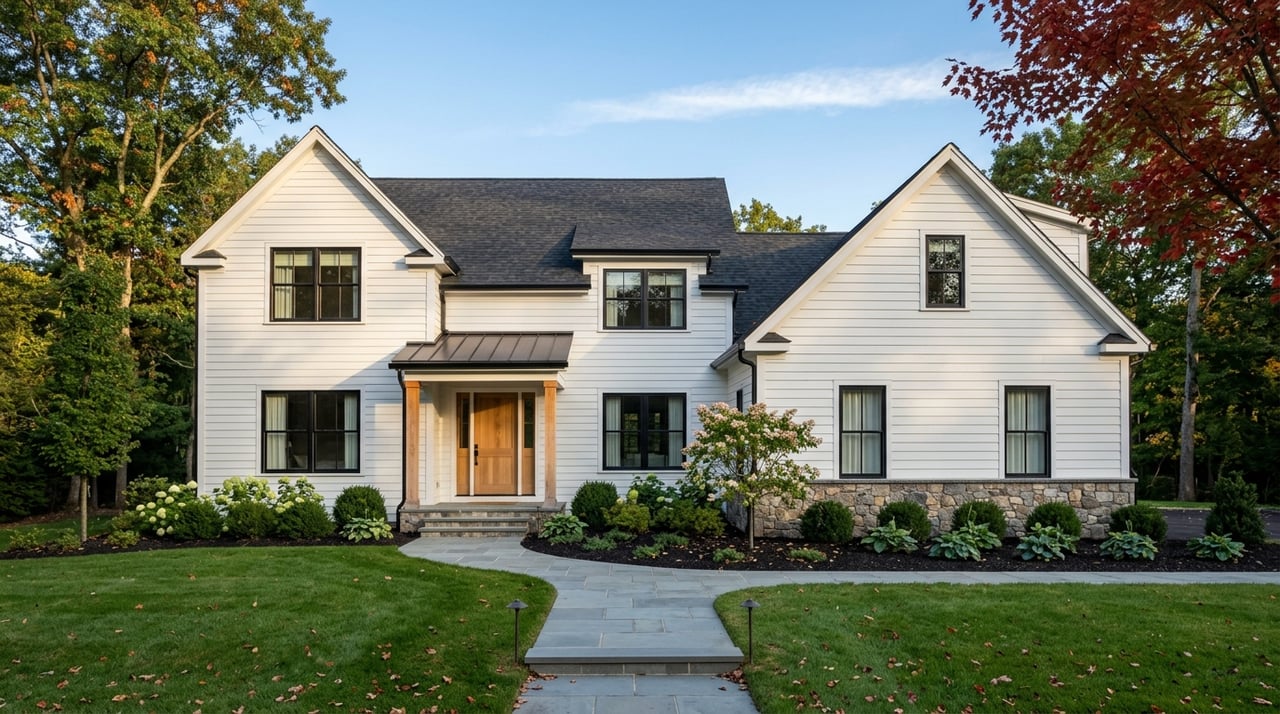
If you are thinking about living in Avon, CT, you are probably looking for more than just a house. You want a town that feels established, offers room to breathe, and makes daily life easier without losing that classic New England character. Avon stands out for exactly that mix, and understanding how nature, neighborhoods, and housing fit together can help you decide if it is the right move for you. Let’s dive in.
Why Avon Appeals to Buyers
Avon is a small town in Hartford County with an estimated 19,096 residents as of July 1, 2025. Census data also show a strong owner-occupied housing rate of 85.4%, which points to a market where many residents put down long-term roots.
That sense of stability is part of Avon’s appeal. The town also shows a median household income of $154,058, a bachelor’s degree attainment rate of 73.1%, and a mean commute time of 24.8 minutes. For many buyers, that combination suggests a well-established suburban setting with access to regional job centers and a strong base of full-time homeowners.
Avon’s Outdoor Lifestyle
One of the biggest draws of living in Avon, CT is how easy it is to spend time outside. The town offers a wide range of trails, open space, and recreation areas that support an active lifestyle in every season.
The Avon Land Trust helps conserve woodlands, fields, lakes, rivers, open spaces, and wildlife throughout town. Its trail system includes Nod Way, Hazen Park, Oaks Preserve, the Wellner Family Conservation Area, and the Thompson-Osborn Preserve.
The town recreation department also maps a larger trail network that includes Avon’s section of the Farmington Canal Heritage Trail, along with blazed hiking routes on town, state, and land-trust land. That gives you a good mix of casual walking, biking, and more traditional trail use close to home.
Fisher Meadows Adds Everyday Access
Fisher Meadows is one of Avon’s standout open-space assets. It covers 250.45 acres and includes meadows, woods, a lake, fishing, boating, walking, hiking, jogging, and cross-country skiing.
For buyers comparing towns, spaces like this matter. They shape your daily routine, not just your weekend plans, and they can make Avon feel more connected to the outdoors than a typical suburban market.
State Parks Expand the Experience
Avon residents also benefit from nearby state-park access. Talcott Mountain State Park offers around four miles of trails and the climb to Heublein Tower, with views over Simsbury and Avon.
Penwood State Park adds nearly 800 acres of ridge-top scenery and broad views of the Farmington River Valley. If you want a town where open space is part of the lifestyle, Avon gives you that in a very real way.
What Avon Feels Like Day to Day
Avon does not read like a dense downtown community. Instead, it feels more like a collection of residential areas connected by key roads, open space, and a village-center core.
Town planning materials describe Avon Center as the traditional village and former main business area. They note that it expanded along Route 44 and Route 10/202 while still retaining the charm of a New England village.
That detail matters when you picture daily life here. Rather than one compact urban-style center, Avon offers a more spread-out pattern where homes, services, and recreation are linked by car routes and neighborhood pockets.
Avon Center and Route 44
Avon Village Center plays an important role in the town’s identity. A town design document says the Avon Village Center Zone is intended to preserve historic character while allowing flexibility in development styles and uses.
In practical terms, that means much of the town’s shopping, dining, and service activity is concentrated around the Route 44 and Avon Center corridor. You get convenience, but in a setting that still reflects the town’s traditional village roots.
Residential Patterns Across Town
Town transportation and housing materials suggest Avon is largely made up of low-density residential areas, with examples such as the Huckleberry Hill area referenced in planning documents. Avon’s housing FAQ states that roughly two-thirds of town land is zoned for single-family homes on one- or two-acre lots.
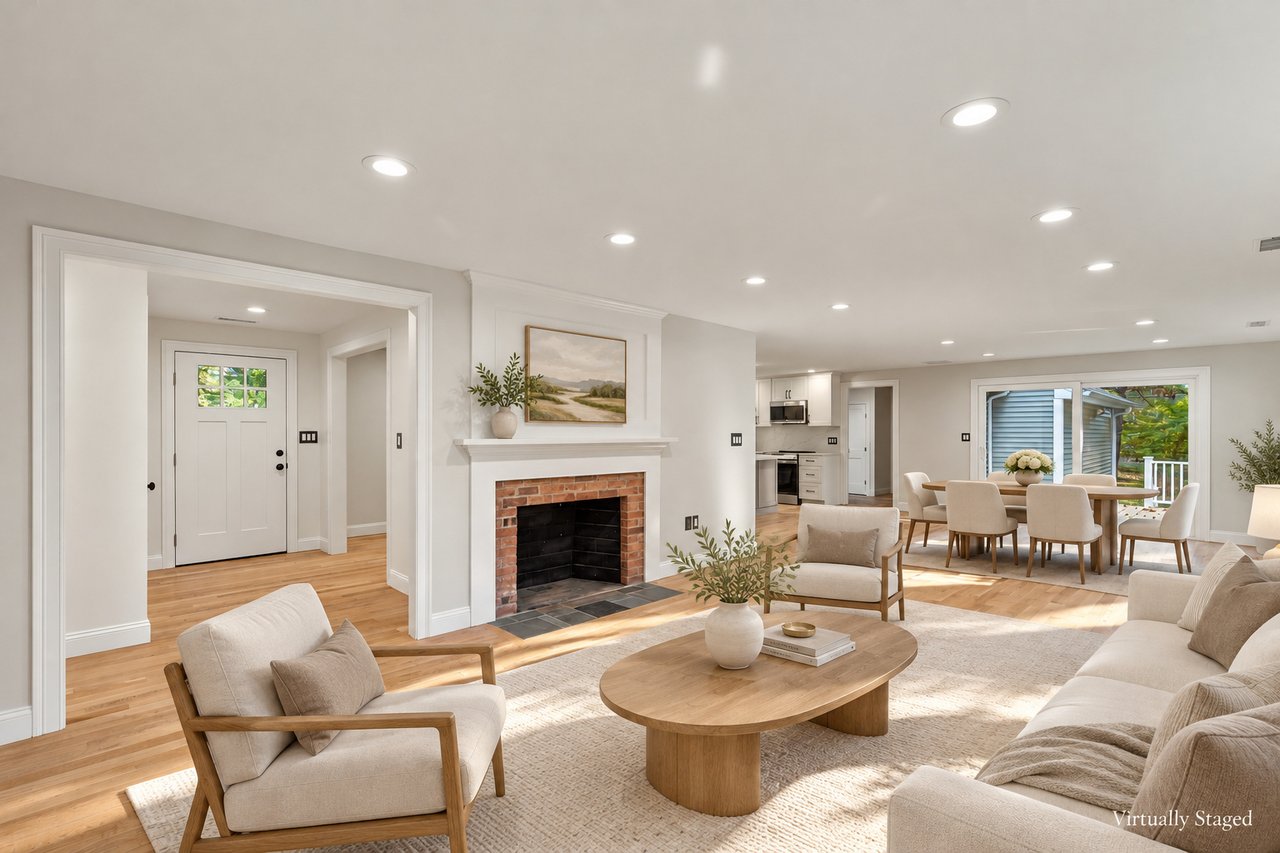
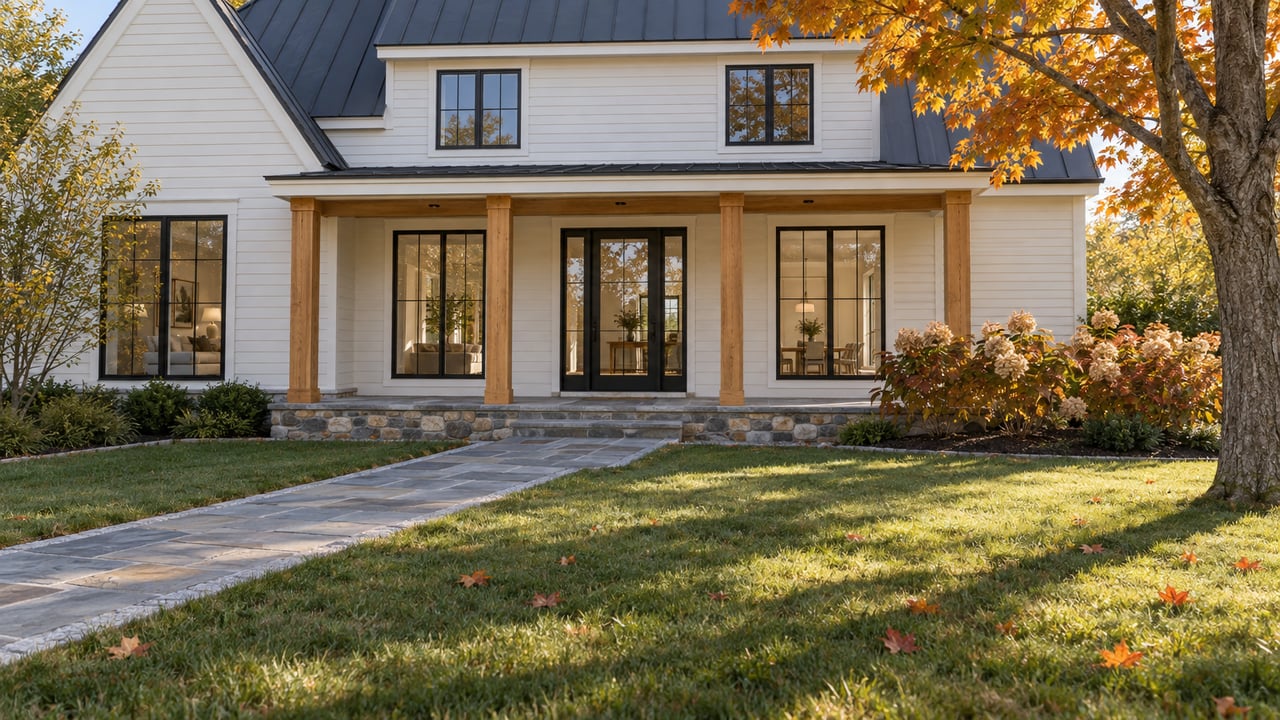
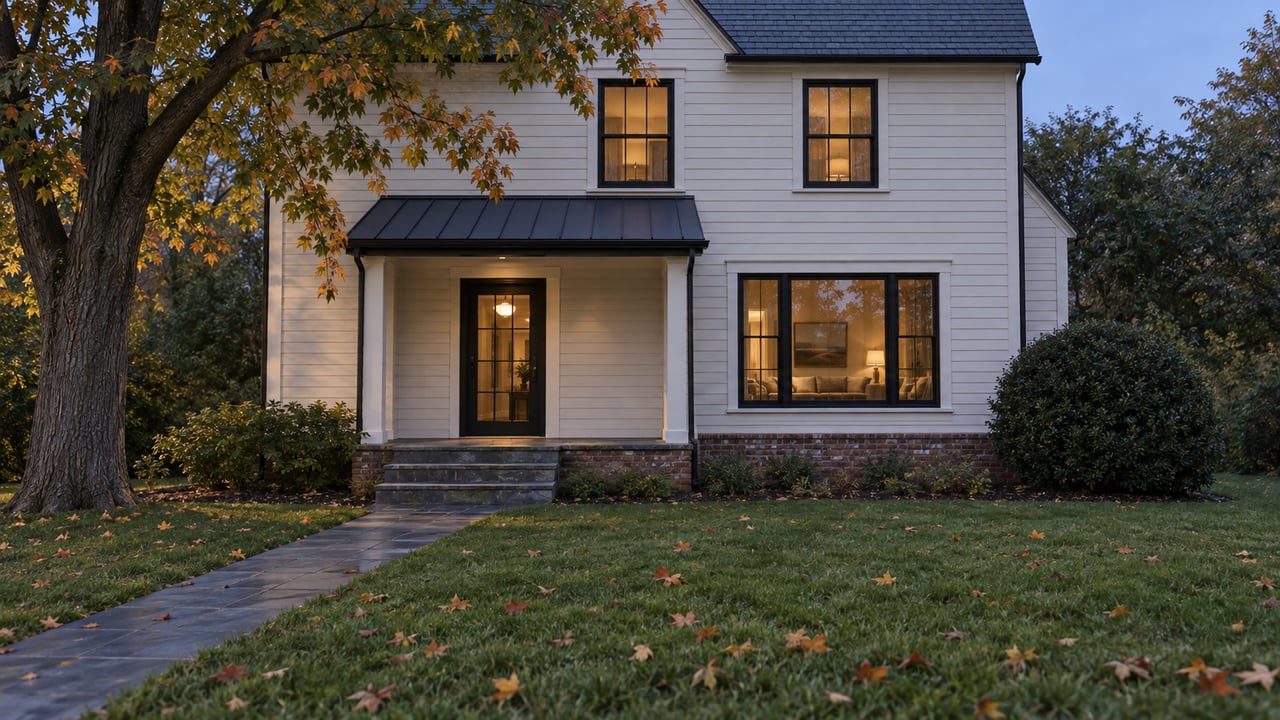
That zoning pattern helps explain why Avon often feels spacious and residential. It also helps explain why detached homes make up much of the local housing stock, with smaller pockets of townhouse, apartment, and condo options in certain parts of town.
Shopping, Dining, and Services
If you are wondering whether Avon has convenient daily amenities, the answer is yes, but they are concentrated rather than spread across a walkable downtown grid. Zoning regulations in the village-center area allow a broad mix of uses, including retail stores, offices, medical offices, restaurants, hotels, arts centers, multifamily residential units, and elderly housing units.
Town housing materials also note that a multifamily development in the Avon Village Center zone, where Whole Foods is located, had been approved but had not yet broken ground as of February 2025. That gives you a sense of how the town may continue evolving while still keeping most activity centered in the Route 44 corridor.
For many buyers, this setup works well. You can enjoy a quieter residential setting while still having shopping, dining, and services in a defined and convenient part of town.
Homes in Avon CT
Housing is a major part of the Avon story, especially if you are relocating from a market with more entry-level inventory. Avon tends to be a higher-priced town with limited supply, and that has a direct impact on what buyers can expect.
Realtor.com’s market snapshot for March 2026 shows a median listing price of $512,000 in Avon, a median sold price of $510,000, 57 homes for sale, a median of 25 days on market, and a 98% sale-to-list ratio. In ZIP code 06001 specifically, the median listing price was $469,450.
Census data put the median value of owner-occupied homes at $479,700. Together, these figures point to a market where pricing remains relatively strong and inventory is not especially deep.
What Different Price Ranges Look Like
A town affordable-housing FAQ updated in February 2025 adds more context. It says the median single-family home for sale was about $625,000, while condos were roughly $300,000 to $625,000.
The same FAQ states that the average single-family rent was about $2,800 per month. These figures describe different slices of the market than the broader listing snapshot, but together they help show the range buyers are likely to encounter.
Why Inventory Can Feel Tight
Avon’s housing supply is shaped by its land-use pattern. With about two-thirds of the town zoned for single-family homes on one- or two-acre lots, the market leans heavily toward low-density detached housing.
That has trade-offs. On one hand, it supports the spacious residential feel many buyers want. On the other hand, it can limit the number of smaller, more affordable options, which makes Avon a market where buyers often prioritize lifestyle, setting, and long-term stability over starter-home abundance.
What Buyers Should Keep in Mind
If Avon is on your shortlist, it helps to approach the search with a clear idea of what matters most to you. This town tends to be a strong fit if you value outdoor access, an established owner-occupied community, and a residential setting with a defined village-center amenity core.
It may take more planning if your top priority is finding a lower-priced entry point or a wide selection of smaller homes. In that case, understanding the mix of single-family homes, condos, and attached housing options becomes especially important.
A local strategy matters here. In a market with limited supply and steady demand, having strong guidance can help you weigh location, lot size, home style, and long-term resale potential more confidently.
Is Avon Right for You?
Living in Avon, CT can be a great fit if you want a town where nature is easy to access, neighborhoods feel established, and homes are shaped by a low-density suburban pattern. The village-center core gives you practical convenience, while the surrounding residential areas and open spaces create a quieter everyday rhythm.
For many buyers, that balance is exactly the point. Avon is less about dense development and more about space, stability, and a lifestyle tied closely to trails, parks, and a classic Farmington Valley setting.
If you are exploring a move to Avon or comparing it with other Farmington Valley towns, working with a local expert can make the process much clearer. Laurie Kane offers thoughtful buyer guidance and deep local insight to help you find the right fit.
FAQs
What is it like living in Avon, CT?
- Avon offers an established suburban feel with strong owner occupancy, a village-center amenity core, and broad access to trails, open space, and nearby state parks.
What kinds of homes are common in Avon, CT?
- Avon’s housing stock is largely made up of single-family homes, with smaller pockets of condos, townhouses, apartments, and rental options.
Are home prices in Avon, CT high?
- Avon is generally considered a higher-priced market, with March 2026 data showing a median listing price of $512,000 townwide and town housing materials indicating median single-family pricing around $625,000.
Does Avon, CT have outdoor recreation?
- Yes. Avon includes local trail systems, Fisher Meadows, access to the Farmington Canal Heritage Trail, and nearby state parks like Talcott Mountain and Penwood.
Is Avon, CT walkable?
- Avon is more car-oriented than a dense downtown community, with shopping, dining, and services concentrated mainly around the Route 44 and Avon Center corridor.