Blueprint Monday | Vol. 22
Winning a Bidding War Without Losing Sight of Value
How Strategic Buyer Representation Helped Secure 110 Atwater Road in Canton, Connecticut
In a competitive seller’s market, bidding wars can be exhausting for buyers.
Many buyers spend weeks or months writing offers, only to lose again and again. Over time, that becomes frustrating, discouraging, and emotionally draining.
The instinct is often to assume the only way to win is to offer more money.
I do not believe that is always the right strategy.
As a listing agent, my responsibility is to help sellers create leverage and maximize the value of their home.
As a buyer’s agent, that responsibility changes.
My job becomes protecting my client’s buying power, identifying what matters most to the seller, and presenting the strongest possible offer without unnecessarily giving away money or leverage.
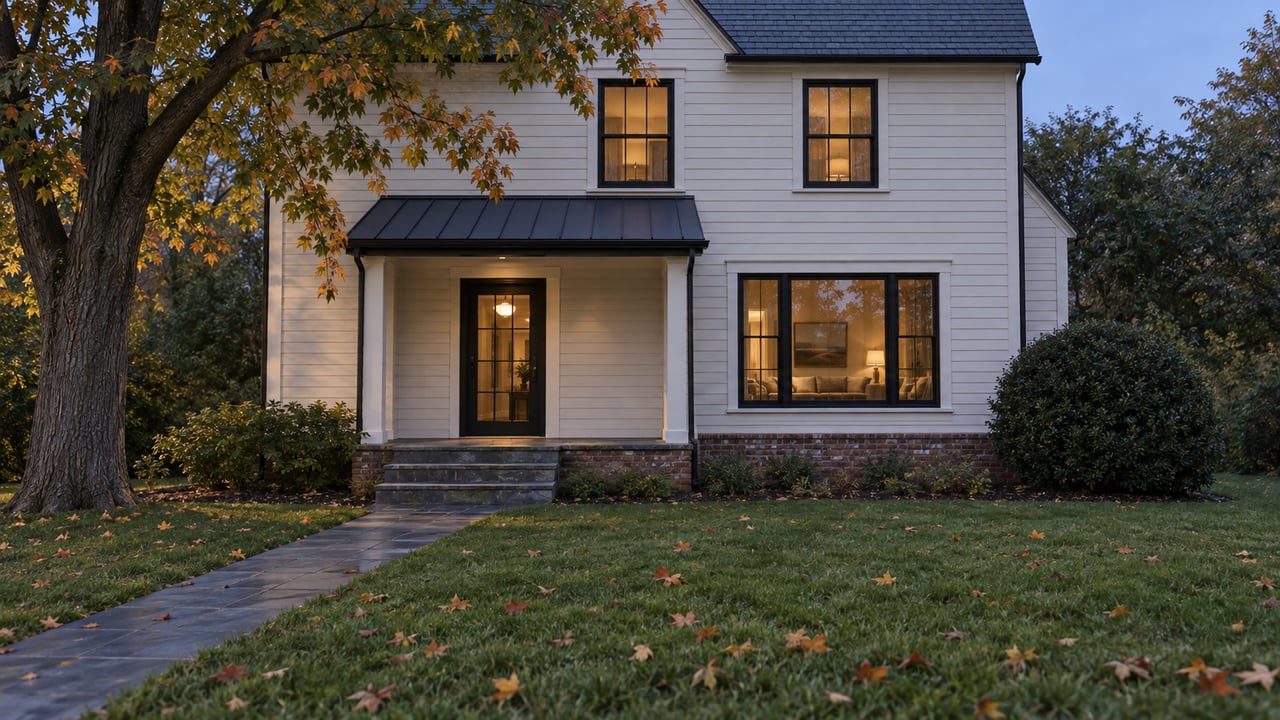
That was the strategy at 110 Atwater Road in Canton, Connecticut.
The home was listed at $1,050,000 and attracted significant competition. My clients ultimately secured the property for $1,203,000.
But the number alone does not tell the story.
A Strong Offer Is More Than a Price
In a bidding war, sellers are not simply comparing numbers.
They are evaluating risk.
How financially strong is the buyer?
How clean are the terms?
How likely is the transaction to close?
How flexible is the timing?
Are there contingencies that could create uncertainty?
How professionally and clearly is the offer presented?
Those questions matter.
A competitive offer should make the seller feel confident that the buyer is serious, qualified, prepared, and capable of closing.
That is where strategic buyer representation becomes critical.
Presenting Buying Power Without Overplaying Your Hand
The goal is not to show the seller everything the buyer is willing to spend.
The goal is to show enough strength to win.
That distinction matters.
A buyer’s agent should understand how to present financial strength, structure escalation terms carefully, evaluate contingencies, use timing strategically, and communicate the buyer’s position in a way that strengthens the offer without unnecessarily exposing their ceiling.
In other words:
Protect the buyer’s leverage while making the seller feel secure.
At 110 Atwater Road, my strategy was to present my clients as highly credible buyers and make the overall offer difficult to dismiss.
That means understanding not only what the property is worth, but what the seller is likely to value in the transaction.
Winning Does Not Mean Overpaying
One of the biggest misconceptions in a bidding war is that the winning buyer must have overpaid.
That is not necessarily true.
The more important question is whether the buyer understands the value of the property and whether the terms of the offer are supported by the market.
A strong buyer’s agent should know when to push, when to hold, and when the opportunity justifies being aggressive.
That judgment is especially important in a market where inventory is limited and desirable homes can attract multiple qualified buyers.
At 110 Atwater Road, the strategy was not simply to beat the competition.
It was to win intelligently.
Buyer Representation Is About More Than Finding the House
Finding the property is only one part of the job.
Once the right home is identified, the strategy becomes:
How do we position the buyer?
How do we structure the offer?
Where do we create certainty?
Where do we protect flexibility?
What can we improve without adding unnecessary cost?
And how do we make the seller comfortable choosing this buyer over everyone else?
That is the work that often determines the outcome.
The Same Principle Applies on Both Sides of the Table
At 79 Highridge Road in West Simsbury, I identified value and opportunity for my buyer and negotiated a purchase at $1.775 million against an independent appraisal of $1.975 million.
At 110 Atwater Road in Canton, the challenge was different.
This time, the property was highly competitive.
The strategy had to be stronger, cleaner, and more persuasive.
Different property.
Different market dynamics.
Different negotiation.
The same responsibility:
Understand the value. Identify the leverage. Protect the client’s financial position.
What Makes a Strong Buyer’s Agent in a Bidding War?
A strong buyer’s agent should do more than submit an offer.
The role is to understand market value, read the seller’s priorities, structure the terms strategically, present the buyer’s financial strength, communicate clearly with the listing agent, and know how far to push without losing discipline.
For buyers competing for homes in Canton, Avon, Simsbury, West Hartford, Farmington, Burlington, the Farmington Valley, and throughout Hartford County, that level of representation can make the difference between another rejection and a successful purchase.
Frequently Asked Questions
How do you win a bidding war on a house?
Winning often requires more than the highest price. Strong financing, clean terms, flexible timing, thoughtful contingencies, and a professionally presented offer can all influence the seller’s decision.
Should a buyer always waive contingencies in a bidding war?
No. Every situation should be evaluated individually. The goal is to strengthen the offer without creating unnecessary financial or legal risk for the buyer.
Does offering above asking mean a buyer overpaid?
Not necessarily. Asking price and market value are not always the same. The buyer should evaluate comparable sales, property condition, competition, and long-term value before deciding how aggressively to bid.
What does a buyer’s agent do in a multiple-offer situation?
A strong buyer’s agent helps evaluate value, understand the seller’s priorities, structure competitive terms, communicate the buyer’s strength, and negotiate strategically while protecting the buyer’s financial interests.
Laurie Kane’s Seller Blueprint
Preparation Creates Leverage.
Strategy Creates Opportunity.
Sell for More. Not Just Faster.