The Way Buyers Evaluate Value Has Changed.
How Mortgage Rates, Affordability and Multigenerational Living Are Reshaping Buyer Decisions in Hartford County
The conversation around today’s real estate market often begins with interest rates.
For sellers, however, I believe the more important question is:
What are higher housing costs doing to buyer behavior?
As of September 24, 2026, Freddie Mac reported the average 30-year fixed mortgage rate at 7.03%, up from 6.66% at the end of August.
Those numbers matter.
But they do not tell the entire story.
The buyer has not disappeared. The way buyers evaluate value has changed.
Buyers are recalculating.
They are evaluating monthly costs more carefully. They are looking harder at condition. They are considering how much additional money a home may require after closing. They are reconsidering price ranges, locations and, increasingly, how well a property can accommodate the changing needs of an entire family.
For sellers in Avon, West Hartford, Farmington, Simsbury, Canton, Burlington, the Farmington Valley and throughout Hartford County, understanding those changes may be far more useful than trying to predict exactly where mortgage rates will go next.
Higher Rates Change More Than Purchasing Power
When borrowing becomes more expensive, buyers do not necessarily stop buying.
Their decision-making becomes more deliberate.
The purchase price is only part of the equation.
Buyers are considering the mortgage payment, property taxes, insurance, utilities, maintenance, future renovations and how much financial flexibility may remain after closing.
That changes how some buyers move through a home.
Instead of simply seeing beautiful rooms, they may also be asking:
How much work does this home need?
What will I need to spend after closing?
Can I move in without immediately taking on another major expense?
Will this home continue to work for my family five or ten years from now?
And perhaps most importantly:
Is this property worth stretching for?
That is buyer psychology.
And sellers need to understand it before a home ever reaches the market.
Buyers Are Becoming More Selective About What Feels Worth It
A more cautious buyer is not necessarily an unmotivated buyer.
People still relocate.
Families grow.
Parents age.
Jobs change.
Children return home.
Some buyers downsize while others need considerably more space.
Life continues regardless of the mortgage market.
What changes is the scrutiny.
A home that feels well maintained, thoughtfully presented and appropriately positioned may create confidence.
A property that appears to carry a long list of immediate expenses can create hesitation.
This does not mean every seller should renovate before listing.
It means sellers need to understand where preparation matters and where it does not.
There is a significant difference between spending money on a house and strategically preparing a house for the market.
Affordability Is Changing What Buyers Want a Home to Do
There is another shift I am watching closely.
Affordability is not only changing how much buyers are willing or able to spend.
It is also changing what buyers expect a home to provide.
For some families, that means reconsidering the traditional idea of one household for one generation.
According to the National Association of REALTORS®, 14% of buyers purchased a multigenerational home in its 2026 generational trends data. Among the leading reasons were caring for aging parents, cost savings and adult children moving back home.
That is significant because it tells us something broader about the market.
Buyers are not simply asking:
Can I afford this house?
Some are also asking:
Can this home solve more than one need for my family?
That changes the value equation.
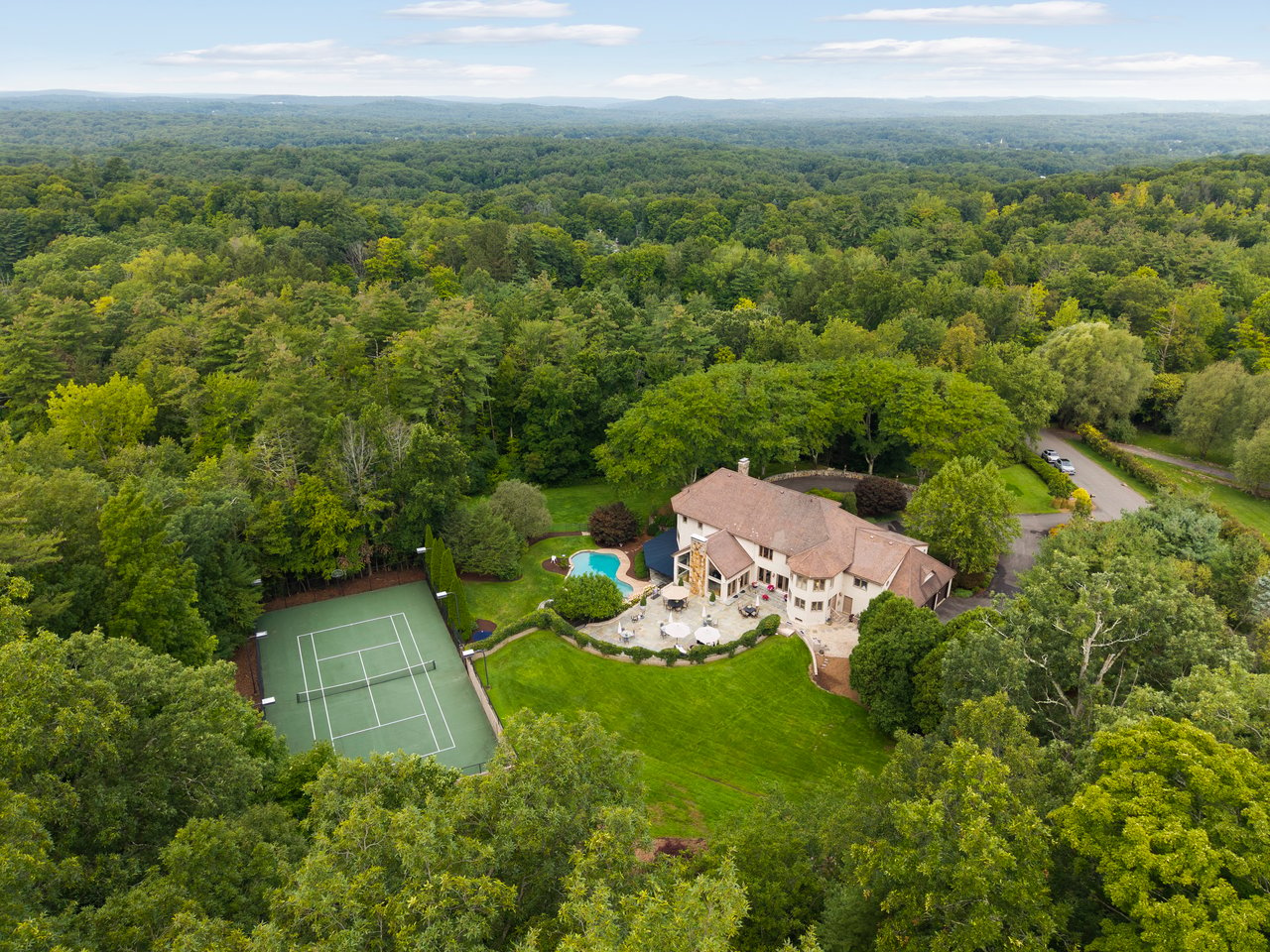
I Am Seeing This Firsthand at 21 & 41 Breezy Knoll in Avon
National statistics are useful, but some of the most meaningful market intelligence comes from what buyers are actually telling us during showings.
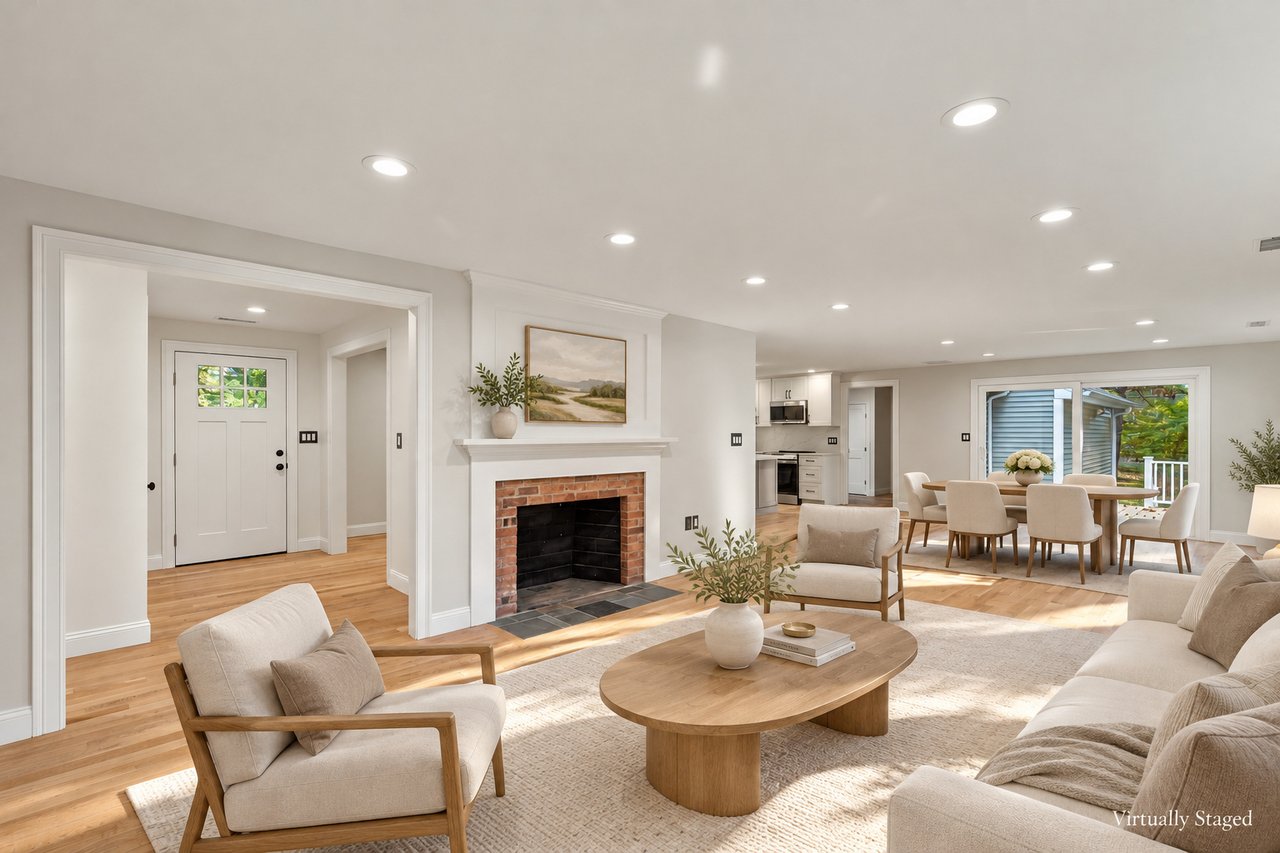
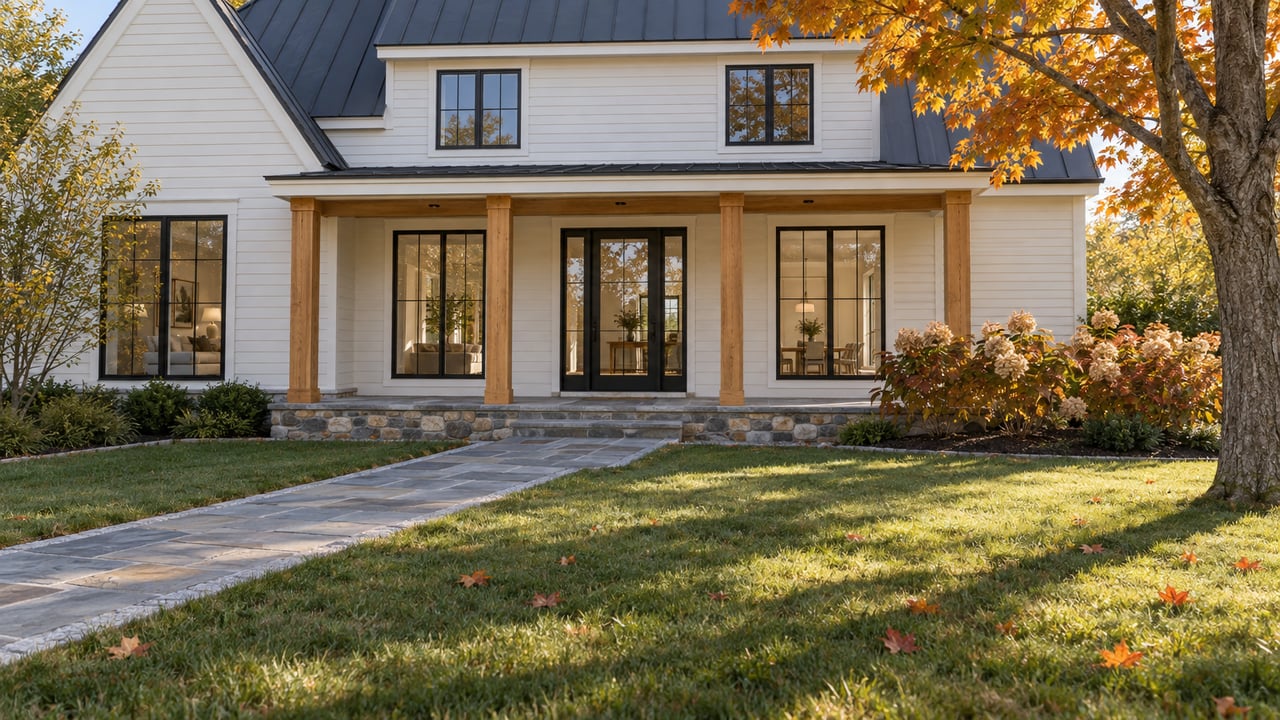
At 21 & 41 Breezy Knoll in Avon, Connecticut, I am seeing noticeably more interest from buyers specifically considering multigenerational living.
This château-inspired estate sits on more than seven private acres and offers something increasingly important to certain families:
flexibility.
The home offers two primary suites, allowing different generations to enjoy substantial private accommodations within the same residence.
The scale and layout also provide separation, which can allow family members to live together without sacrificing privacy or independence.
And the property includes an additional approved buildable lot, creating another layer of long-term possibility.
For the right buyer, those features are no longer simply luxury amenities.
They can become part of a broader housing solution.
A second primary suite may accommodate aging parents.
It may provide privacy for an adult child.
It may allow extended family to remain close while maintaining separation within the home.
And additional land may represent something even more valuable:
options for the future.
The architecture has not changed.
What has changed is the way some buyers are evaluating its usefulness.
That is exactly why understanding buyer behavior matters when positioning a property.
Flexibility Is Becoming a Luxury of Its Own
Luxury real estate has traditionally been defined by finishes, square footage, amenities and location.
Those things still matter.
But I believe another form of luxury is becoming increasingly important:
optionality.
Can the home accommodate aging parents?
Can an adult child return home without everyone sharing the same living space?
Could a first-floor suite allow someone to age in place?
Is there a finished walkout level that provides meaningful separation?
Is there another living area?
A private entrance?
A second primary suite?
Additional land?
The ability for a home to adapt to changing circumstances can itself become an important component of value.
For sellers, that means features that may once have received only a passing mention in a listing description may deserve far greater emphasis today.
ADUs Are Part of the Same Conversation
This growing interest in flexible living is also one of the reasons accessory dwelling units, or ADUs, have become increasingly relevant.
I previously contributed to Prestige Magazine on this subject because ADUs sit at the intersection of several changes taking place in housing.
Aging parents may want to remain close to their children without giving up independence.
Adult children may need additional time before establishing a separate household.
Families may want greater flexibility for caregiving.
Some households may simply recognize that sharing the overall cost of one property makes more financial sense than maintaining multiple homes.
An ADU can potentially provide that separation while keeping family nearby.
Not every property has an ADU.
Not every property needs one.
And zoning, permitting and property-specific requirements must always be evaluated individually.
But the larger lesson extends well beyond ADUs.
Sellers should understand when their home already offers the flexibility today’s buyers are searching for.
A Feature Becomes More Valuable When It Solves a Problem
This is where strategic positioning becomes especially important.
A listing should do more than identify rooms and amenities.
It should help the right buyer understand how the property could work for their life.
A first-floor suite may be more than a guest bedroom.
A finished walkout lower level may be more than bonus space.
A second primary suite may provide a multigenerational living solution.
An approved additional parcel may represent future flexibility.
Separate living areas may allow family members to remain close while preserving privacy.
The goal is not to manufacture a use that a property does not legitimately support.
It is to recognize when an existing feature solves a problem buyers are actively trying to solve.
That is strategic positioning.
What Should Sellers Be Asking Right Now?
Rather than beginning with:
Should I wait until mortgage rates come down?
I believe sellers should be asking more actionable questions:
How has the likely buyer for my home changed?
What are buyers in my price range prioritizing today?
Does my home offer flexibility that we are not emphasizing?
Could part of the property appeal to a multigenerational household?
Which improvements would create confidence?
Which improvements would simply consume money without meaningfully changing buyer perception?
What makes my home different from its current competition?
How should those differences be positioned?
Those are questions a seller can actually act upon.
Sellers Cannot Control Interest Rates. They Can Control Relevance.
A seller cannot control mortgage rates.
They cannot control inflation.
They cannot control financial markets.
And they cannot control the circumstances of every buyer who walks through the door.
But sellers have far more control than they sometimes realize.
They can control preparation.
Condition.
Pricing.
Presentation.
Marketing.
Positioning.
And, importantly, how clearly buyers understand the value of what the property offers.
A home does not need to appeal to everyone.
It needs to connect powerfully with the right buyer.
What This Means for Hartford County and Farmington Valley Sellers
Real estate remains intensely local.
National housing statistics provide useful context, but every home competes within its own community, price range, condition, location and buyer pool.
What I am observing in Avon and throughout the Farmington Valley reflects a broader change.
Buyers are still looking.
But many are evaluating homes through a different lens.
They are calculating more carefully.
They are thinking further ahead.
And they are increasingly asking whether a property can adapt as their family circumstances change.
For homeowners considering selling in Avon, West Hartford, Farmington, Simsbury, Canton, Burlington or elsewhere in Hartford County, that makes the initial strategic evaluation more important than ever.
Before bringing a property to market, we should not simply ask:
What is this house worth?
We should also ask:
Who is today’s buyer, what does that buyer value, and what problem might this home solve for them?
That is where market knowledge, buyer psychology and strategic positioning come together.
Strategy, Not Timing
Interest rates will change again.
Inventory will change.
Buyer confidence will change.
Household needs will continue to evolve.
Trying to perfectly time every movement in the market is nearly impossible.
A better strategy is to understand the market you are actually entering and position your property accordingly.
Today’s buyer has not disappeared.
The way buyers evaluate value has changed.
The way some families think about housing is changing.
And the features buyers consider important are evolving with them.
For sellers, that creates opportunity.
Not necessarily to spend more.
Not necessarily to renovate more.
Not necessarily to wait.
To understand more.
Because the strongest outcomes often begin long before a property reaches the market.
They begin by understanding what today’s buyer values, recognizing where your property can meet that need, and executing a strategy designed to make that value unmistakable.
Laurie Kane’s Seller Blueprint
Preparation Creates Leverage.
Strategy Creates Opportunity.
Execution Determines Outcome.
My philosophy is simple:
A home should never be simply listed. It should be strategically prepared, thoughtfully positioned, and presented to the market with purpose.
Sell for More. Not Just Faster.
Frequently Asked Questions
Are higher mortgage rates causing buyers to stop buying homes?
Not necessarily. Higher borrowing costs can reduce purchasing power and cause some buyers to delay a purchase, lower their budget or reconsider location. Many buyers remain active, but they may evaluate price, condition, monthly costs and future expenses more carefully.
How are higher mortgage rates changing buyer behavior?
Higher rates can make buyers more analytical about the total cost of ownership. Buyers may pay closer attention to monthly payments, taxes, insurance, condition, deferred maintenance, future renovations and how much financial flexibility they will retain after closing.
Why are buyers interested in multigenerational homes?
Multigenerational living can address several needs at once, including caring for aging parents, accommodating adult children and reducing the cost of maintaining separate households.
What home features appeal to multigenerational buyers?
Depending on the household, desirable features may include dual primary suites, first-floor bedroom suites, finished walkout lower levels, separate living areas, private entrances, additional kitchens or kitchenettes, ADUs and additional land that creates future flexibility.
Should every seller renovate before listing?
No. Strategic preparation is about determining which improvements are most likely to improve buyer confidence, remove objections or strengthen perceived value. A full renovation is often unnecessary.
Should I wait for mortgage rates to fall before selling my Connecticut home?
There is no single answer for every homeowner. Sellers should consider their personal circumstances, current local inventory, competing properties, condition, price range and likely buyer pool rather than making a major decision solely on an interest-rate forecast.
Are multigenerational features relevant to luxury buyers in Avon and the Farmington Valley?
They can be. Current buyer interest at 21 & 41 Breezy Knoll in Avon shows that dual primary suites, privacy, acreage and flexible living arrangements can be meaningful considerations for families seeking a luxury property that accommodates multiple generations.
What should I do before selling my home in Hartford County?
Begin with a strategic property evaluation before making major improvements. The goal should be to understand the likely buyer, identify potential objections, evaluate current competition and determine which preparation, pricing and positioning decisions are most likely to strengthen your market leverage.