If your ideal Saturday starts with coffee in a village center, moves into a trail, river, or farm stop, and ends with dinner in a historic setting, Simsbury is worth a closer look. This town’s appeal is not just about one main street or one type of home. It is about how village centers, open land, and outdoor recreation come together to shape everyday life. Let’s take a closer look at what weekend living in Simsbury’s villages and farms can feel like.
Why Simsbury Feels Distinct
Simsbury’s official tourism materials describe the town as a river-valley community with a historic downtown, working farms, hiking trails, kayaking, and bike routes. The First Selectman’s Office also describes it as a blend of quaint town centers and bucolic farmland. That combination helps explain why the town feels layered rather than one-note.
You are not choosing between village charm and open space here. In many parts of town, you can move between both in a single afternoon. That rhythm is a big part of what makes Simsbury stand out in the Farmington Valley.
Village Centers Shape Daily Life
One of the most useful ways to understand Simsbury is to think of it as a collection of recognizable places. Town services and historic resources reference areas including Simsbury Center, West Simsbury, Tariffville, Weatogue, East Weatogue, and Terry’s Plain, which reinforces that the town is experienced in distinct sections rather than as one continuous strip. You can see that pattern in town services and community references as well as on the town’s historic Simsbury overview.
That local structure matters when you picture everyday living. Some areas feel more centered around village streets and local stops, while others lean more toward fields, farms, and broad open views. For buyers, that means lifestyle fit often comes down to which part of Simsbury feels most natural to you.
Simsbury Center and Hopmeadow Street
Simsbury Center works as a long-standing activity center with a mix of residential, mercantile, and business buildings, according to the town’s historic materials. It is also where many people picture the town’s classic village feel taking shape. Hopmeadow Street and Main Street connect coffee, casual stops, and dinner options in one familiar corridor.
For a weekend morning, that can mean starting at The Coffee Spot on Hopmeadow Street in a late-1880s Victorian house, or grabbing breakfast and coffee drinks at Brookside Bagels, which the same source notes is open daily. The appeal is simple: you can begin the day in a place that feels established and local, then head out to the river, trails, or farms without going far.
Tariffville and a Historic Village Feel
Tariffville adds another layer to Simsbury’s identity. The town describes it as preserving early 19th-century mill housing, street layout, and Greek and Gothic Revival structures. That gives the village a distinctive historic framework within the broader town.
Tariffville also connects directly to outdoor recreation. The town’s paddling page includes Tariffville Park among the local river access points, while its dining materials place restaurants and gathering spots in the village itself. If you want a weekend that blends history, the river, and a smaller village setting, Tariffville helps tell that story clearly.
Weatogue and West Simsbury
Historic materials describe East Weatogue as a place that still contains working farms and farmhouses in Colonial, Greek Revival, and Colonial Revival forms. West Simsbury, meanwhile, is closely associated with open land, recreation, and farm stops through the town’s parks and farm resources. Together, these areas reinforce the idea that Simsbury is not uniform.
In practical terms, that means your weekend experience can shift as you move through town. One part of Simsbury may feel more walkable and village-centered, while another feels more rural and tied to fields, trails, and destination stops.
Farms Add More Than Scenery
Simsbury’s farms are not just a backdrop. They are part of the town’s active weekend routine. The town’s farms and wineries page highlights Flamig Farm, Rosedale Farms, Tulmeadow Farm, George Hall’s Organic Farm, and Simsbury Community Farm.
That matters because farmland here is both visible and functional. According to the Simsbury Land Trust, Rosedale Farms is permanently protected farmland with a level 1.1-mile out-and-back trail from the farm store, plus frontage on the Farmington River and nearby wetlands. The Land Trust also notes that Rosedale, Tulmeadow, and George Hall are permanently protected farmland, which helps preserve the town’s long-term rural character.
Easy Weekend Farm Stops
Farm stops can fit into your day without a lot of planning. Tulmeadow is noted by the town for its ice cream, while Simsbury Community Farm offers farm-to-table dinners and summer day camps. Those details make a difference because they show how open land connects to everyday life, not just postcard views.
For many buyers, this is the kind of feature that shapes how a town feels over time. Protected farmland and active farm destinations can add consistency to the landscape and create familiar weekend routines close to home.
Outdoor Access Is Part of the Lifestyle
Simsbury’s outdoor network is one of its strongest lifestyle advantages. The town says it maintains more than 1,600 acres of town-owned parks and open space, and its recreation resources point to hiking, paddling, cycling, skating, golf, and more. That scale helps recreation feel woven into normal life instead of reserved for occasional outings.
If you are comparing towns, this is a meaningful distinction. In Simsbury, access to trails, parks, and river corridors is not an afterthought. It is central to how many residents spend their free time.
Farmington River Recreation
The Farmington River paddling guide makes clear that kayaking and canoeing are a real part of the local weekend rhythm. The town notes that the river offers both flat water and white water and lists access points including Pinchot Sycamore, the crew dock, Curtis Wright Park, Tariffville Park, and the area behind The Mill.
The same page notes that the Tariffville Gorge section is for experts only, which is a good reminder that river use varies by location and conditions. Still, the range of access points across town supports a lifestyle where being near the river is more than a visual amenity.
Trails, Ridges, and Bike Routes
Cycling is another major part of the picture. Simsbury says it is a Silver Bicycle Friendly Community, and the town highlights a 14-mile sharrowed loop, the Farmington Canal Heritage Trail, regional bike-share access, and the East Coast Greenway connection on its parks and recreation page.
For hiking, the town’s trails and open space resources point to the Metacomet Trail and Heublein Tower as standout experiences. Add in destinations such as Penwood State Park, Stratton Brook State Park, Talcott Mountain State Park, Great Pond, Onion Mountain, and McLean Game Refuge, and you start to see why the town appeals to buyers who want outdoor options close to home.
Simsbury Farms as a Community Hub
Simsbury Farms deserves special mention because it brings many activities together in one place. The town describes it as a 235-acre recreation complex in West Simsbury with golf, skating, a pool, tennis, paddle tennis, and a family fitness trail. For households that want a central recreation resource, that kind of all-in-one destination can be a major plus.
What a Typical Weekend Can Look Like
One of the best ways to picture Simsbury is through sequence. Official town materials support a lifestyle pattern that can begin in Simsbury Center, move outdoors, continue through the farm landscape, and end in another village setting.
A weekend day might look like this:
- Start with coffee or breakfast in Simsbury Center
- Head to the Farmington River, a bike route, or a short ridge hike
- Stop by a farm or grab ice cream in West Simsbury
- Finish with dinner along Hopmeadow Street or in Tariffville
That rhythm is one reason Simsbury appeals to both buyers and sellers. Buyers can imagine daily life more clearly, and sellers benefit from a town story that is easy to understand and easy to love.
Housing Character Across Town
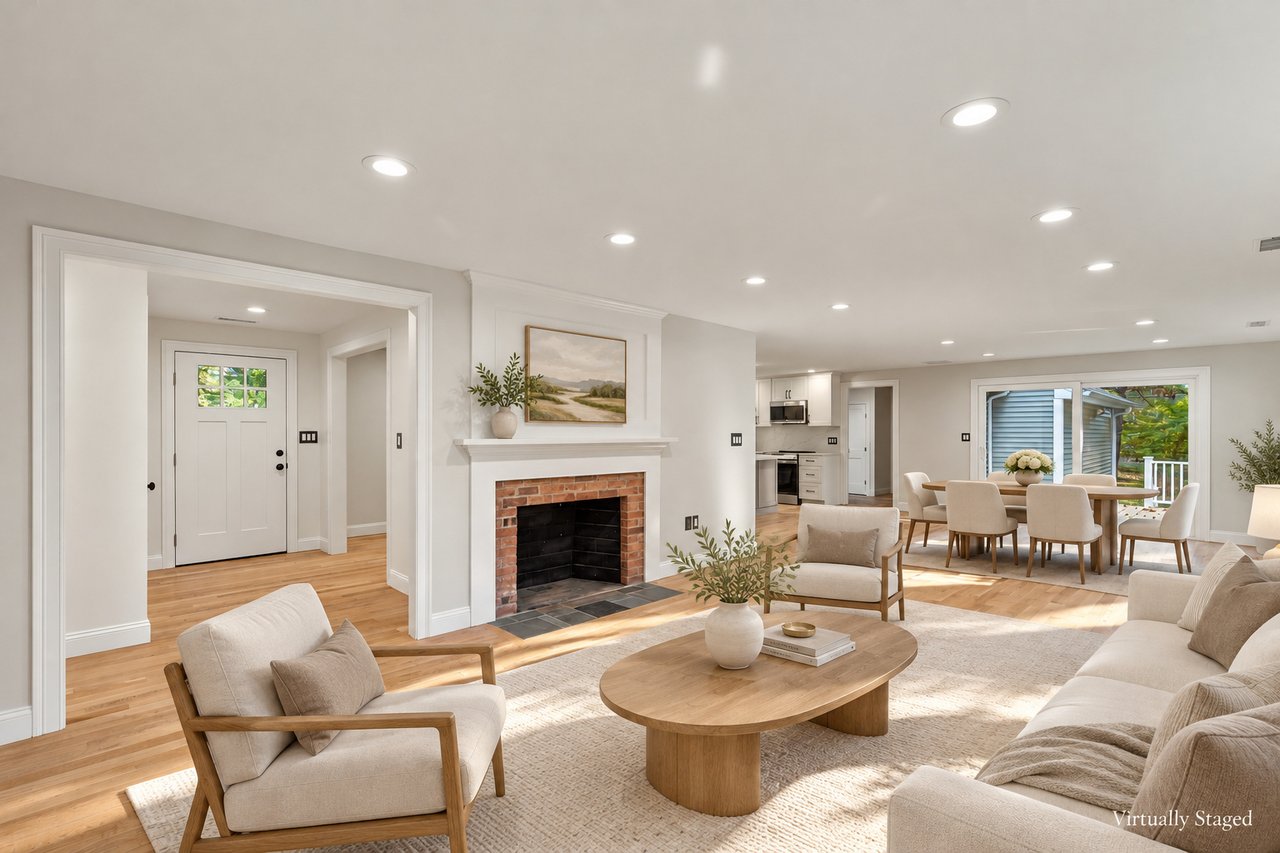
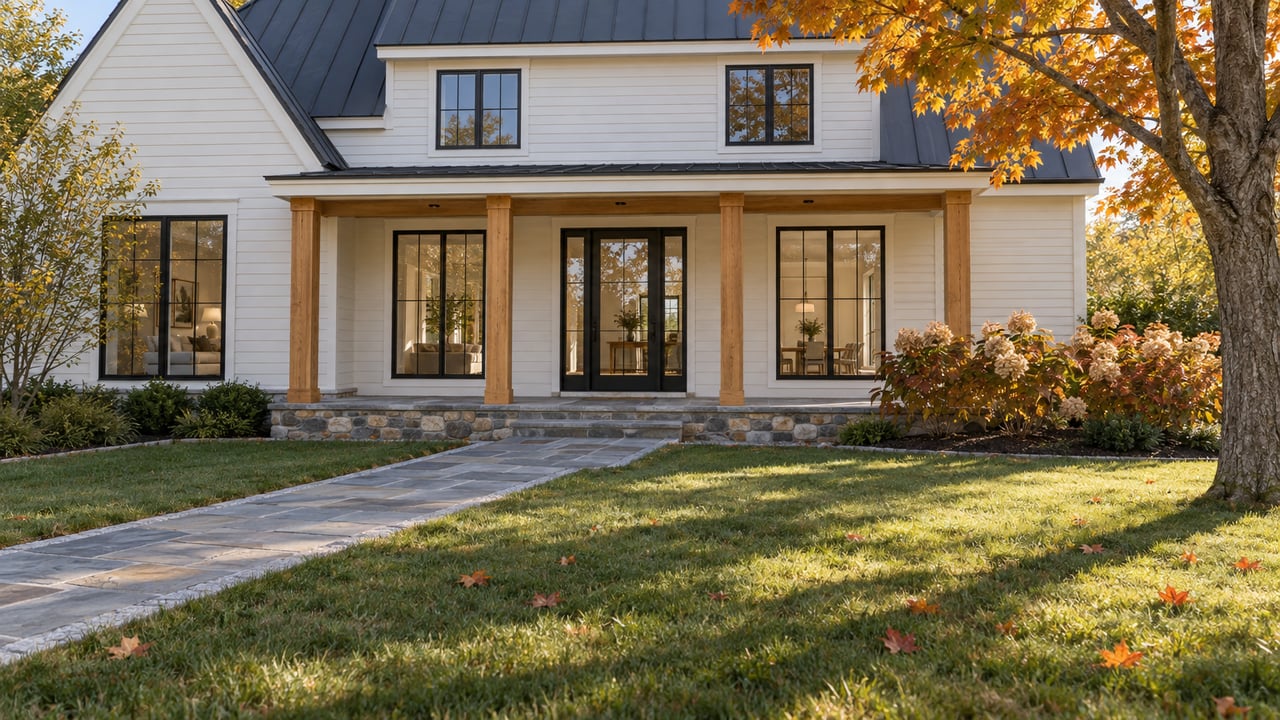
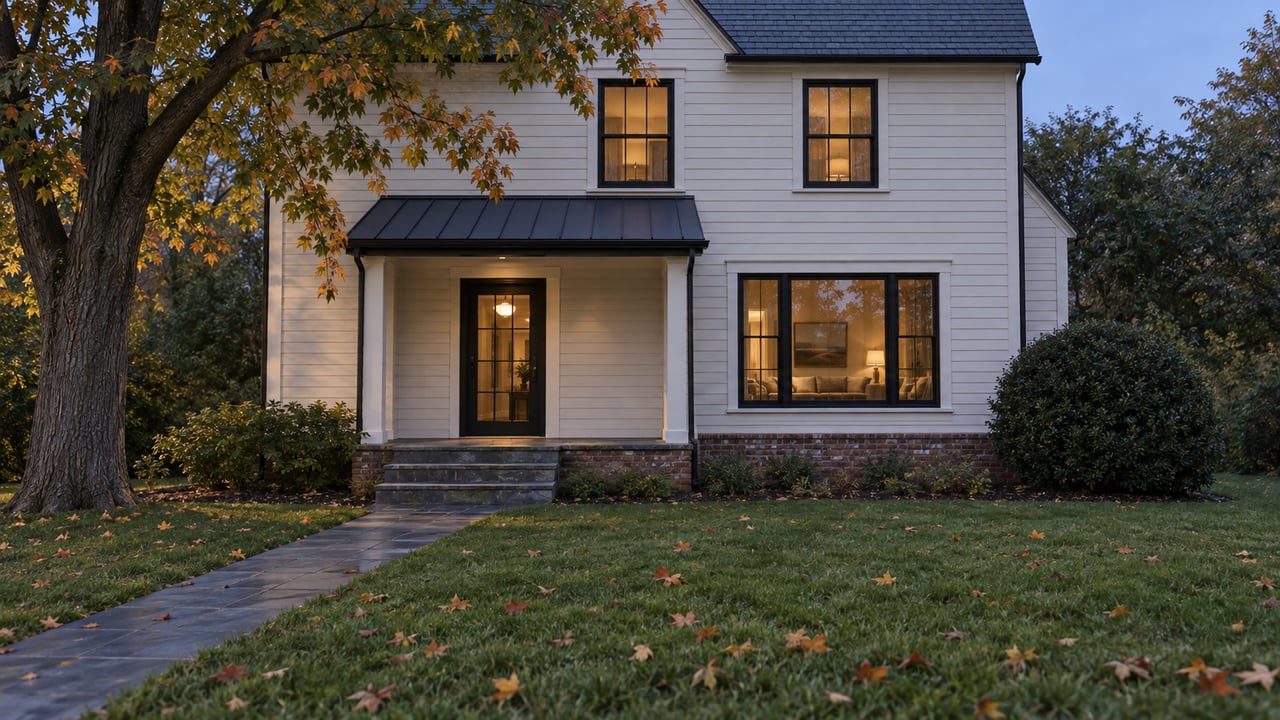
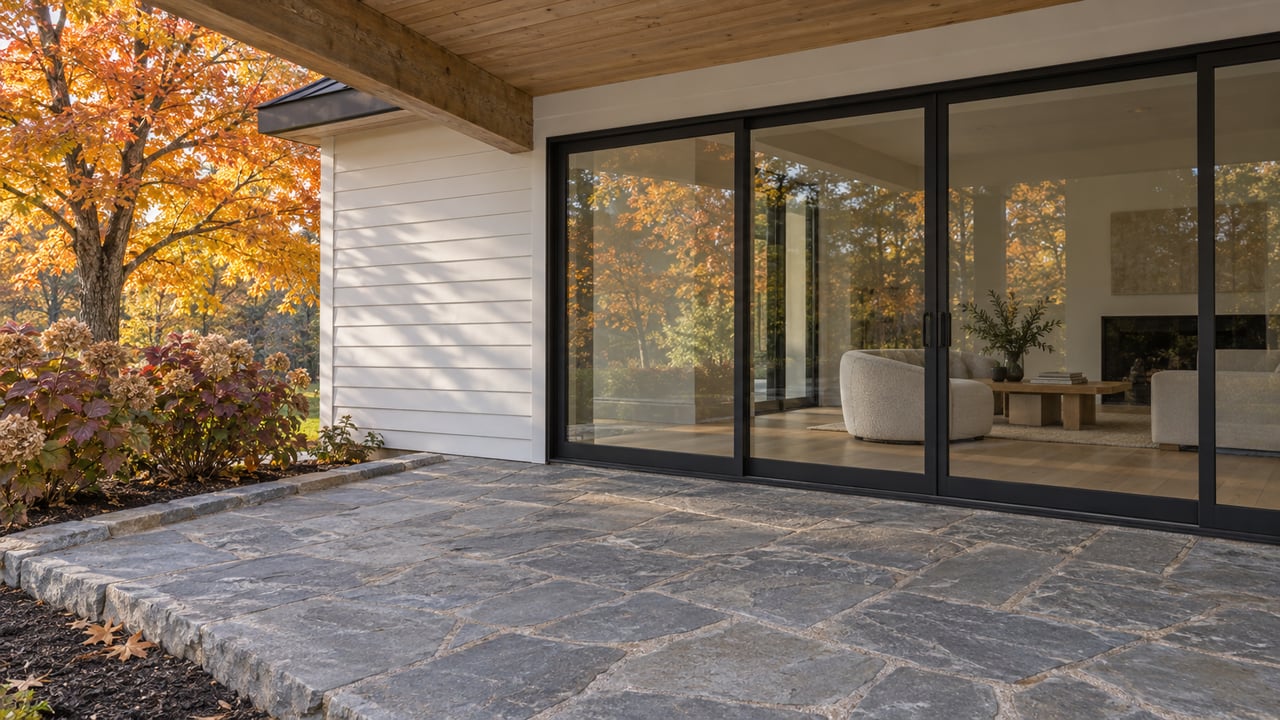
Simsbury’s housing story is closely tied to place. The town’s historic descriptions show different built environments across East Weatogue, Tariffville, and Simsbury Center. Rather than one repeating subdivision pattern, the town reads more like a group of character zones.
That can be useful if you are searching for a specific feel. You may be drawn to a more village-centered setting near Simsbury Center or Tariffville, or you may prefer a more farm-forward backdrop near East Weatogue or West Simsbury. The right fit often comes down to how you want your weekends, and your weekdays, to flow.
Why This Matters for Buyers and Sellers
For buyers, Simsbury offers a lifestyle that is easy to visualize because the elements are tangible. You can see the village centers, visit the farms, access the trails, and experience the river. That makes it easier to decide whether the town lines up with the way you want to live.
For sellers, these same features help shape strong listing stories. A home in Simsbury is not marketed only by square footage or finishes. It can also be positioned around access to village centers, open land, recreation, and the broader Farmington Valley lifestyle that many buyers are actively seeking.
If you are considering a move in Simsbury or anywhere in the Farmington Valley, working with a local expert can help you connect the home itself to the lifestyle that surrounds it. Laurie Kane offers high-touch buyer and seller guidance grounded in local knowledge, thoughtful presentation, and a clear understanding of what makes each community feel distinct.
FAQs
What makes weekend living in Simsbury different from other Farmington Valley towns?
- Simsbury combines village centers, protected farmland, river access, and a broad trail and park network in a way that makes outdoor recreation and local stops feel part of everyday life.
What are the main village areas in Simsbury, Connecticut?
- Town and historic resources reference Simsbury Center, West Simsbury, Tariffville, Weatogue, East Weatogue, and Terry’s Plain as recognizable parts of the community.
What outdoor activities are available in Simsbury on weekends?
- Official town resources highlight kayaking and canoeing on the Farmington River, biking on the Farmington Canal Heritage Trail and local loops, hiking on the Metacomet Trail, and recreation at Simsbury Farms and nearby parks.
Are there active farms in Simsbury, CT?
- Yes. The town highlights farms including Flamig Farm, Rosedale Farms, Tulmeadow Farm, George Hall’s Organic Farm, and Simsbury Community Farm, and some of these properties are permanently protected farmland.
What kind of home setting can you find in Simsbury?
- Simsbury includes a mix of village-centered areas, historic sections, and farm-forward surroundings, so home settings can vary depending on which part of town fits your lifestyle best.